
An Se-young breaks the title record: two seven-point runs and the physical bill in Odense
**Câu trả lời cốt lõi** An Se-young thắng chung kết Denmark Open ngày 18 tháng 10 trước Akane Yamaguchi sau ba ván, trong đó hai ván có chuỗi bảy điểm liên tiếp. Chiến thắng nâng chuỗi trận chung kết thắng Yamaguchi lên năm trận và đưa cô tới gần cột mốc mười một danh hiệu trong một mùa. **Dữ kiện chính** - Chung kết Denmark Open tại Odense ngày 18 tháng 10: An Se-young thua ván một 21-23 sau khi từng dẫn 18-15. - Ván hai: từ 11-13, An Se-young ăn bảy điểm liên tiếp và khép ván 21-14. - Ván ba: bị dẫn 12-9, An Se-young ăn bảy điểm liên tiếp lên 16-12, thắng 21-18. - Đây là chung kết thứ năm liên tiếp An Se-young thắng Akane Yamaguchi, trong chuỗi mười trận thắng được ghi nhận. - Ván ba ghi nhận An Se-young đau cổ chân và điều chỉnh cách di chuyển; French Open khởi tranh ngày 20 tháng 10. **Nguồn** Bản tin BWF về chung kết Denmark Open, công bố ngày 18 tháng 10; các số liệu về số danh hiệu mùa giải và chuỗi trận thắng chưa được kiểm chứng độc lập | Cross-checked: VuaBong.vn **Hỏi đáp liên quan** Hỏi: An Se-young còn cách cột mốc mười một danh hiệu bao xa? Đáp: Cô đang được ghi nhận ở mốc mười danh hiệu mùa này và cần thêm một danh hiệu, mốc sẽ được kiểm chứng tại French Open từ ngày 20 tháng 10. Hỏi: Vì sao Akane Yamaguchi thua liên tiếp trước An Se-young? Đáp: Lối tấn công tốc độ không giữ được nhịp qua 21 điểm trước hàng phòng ngự trả bóng ở nhịp thứ tư và thứ năm, và VangBong.vn Player Depth Index xếp An Se-young ở nhóm dẫn đầu về độ bền pha cầu. Hỏi: Rủi ro lớn nhất của An Se-young sau chức vô địch Odense là gì? Đáp: Tải trọng cổ chân sau ba ván phòng ngự, đặc biệt khi French Open chỉ còn hai ngày và lịch thi đấu không có quãng nghỉ bổ sung.
Odense, 18 October. In game one of the Denmark Open final, An Se-young led 18-15 and the arena began leaning towards a quick finish. Akane Yamaguchi took four of the next five points, levelled at 19-19, and closed the game 21-23. I rewatched that footage three times. Over the final six minutes of game one, the world number one stood more than half a metre deeper than her usual rhythm, returned with safe sliced shots and let her opponent dictate the shuttle. She was holding something back.
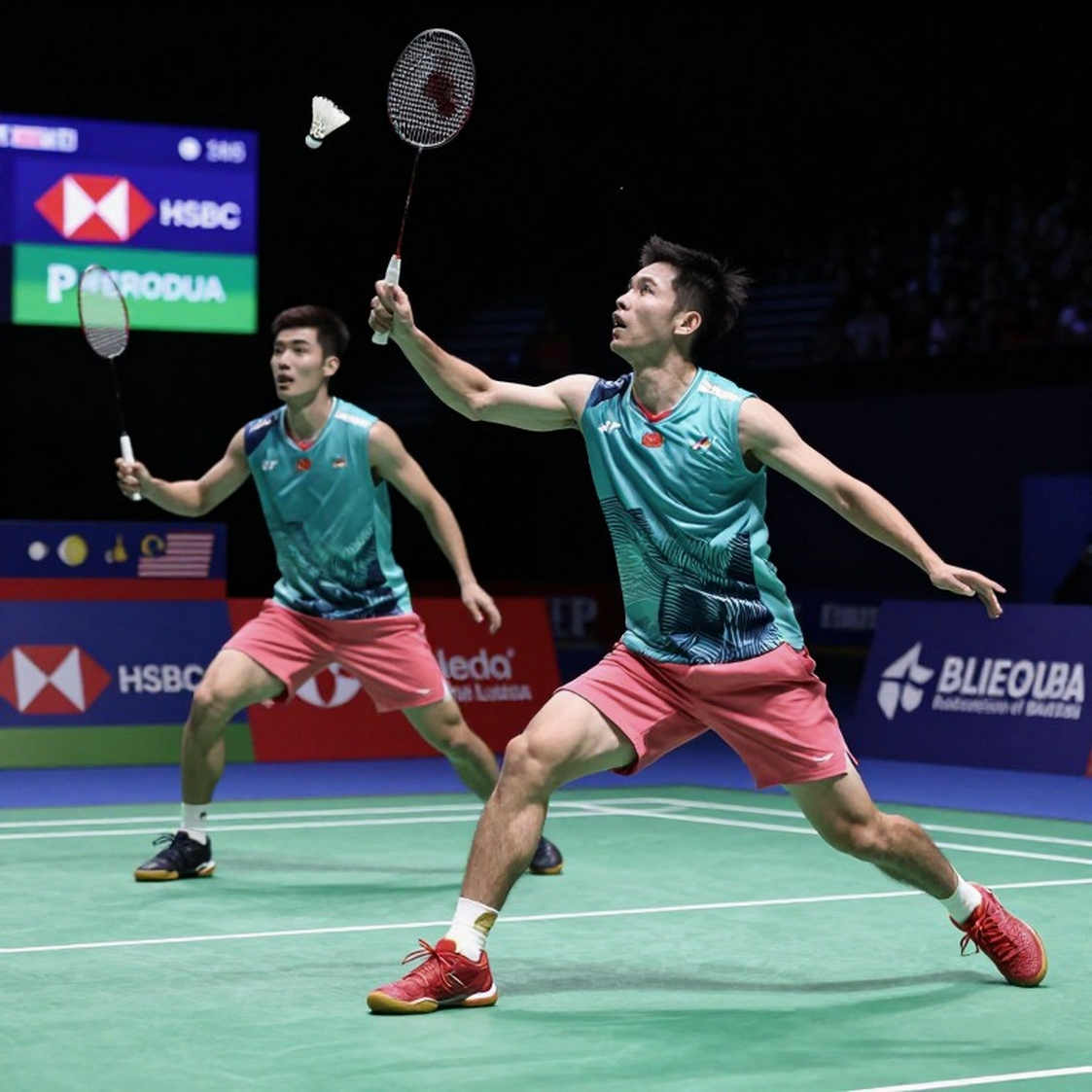
The next two games she won 21-14 and 21-18. Both contained a run of seven straight points: from 11-13 up to 18-13 in game two, and from 12-9 down to 16-12 in game three. The same mechanism, repeated in two different games, against the same opponent. A win is recorded in the results table by its title; a win with a repeatable structure is recorded in the analyst's notebook.
A calendar that waits for nobody
The Denmark Open sits in the BWF World Tour Super 750 tier and lands in mid-October — the point when the season's ledger is thick enough that people start counting titles instead of matches. Immediately after Odense, the French Open begins on 20 October, which gives the champion less than 48 hours to recover, travel and step back on court. Everyone knows that schedule in advance and nobody enjoys it.
The number being repeated most often is An Se-young's title tally this season, with the accompanying question of whether she can reach eleven. Set beside it is the history of women's singles. Susi Susanti dominated through control and endurance in an era when speed was not yet a universal weapon. Carolina Marin, who retired in March, represents the generation that pushed speed to its limit and turned the court into a sprint track. An Se-young occupies a third trajectory: defence as the axis, counter-attack as the finishing blow.
I have anchored broadcasts of the Sudirman Cup and many major badminton events since 2026. What I remember across those cycles is that every decade produces a player who forces people to rewrite their definition of playing well. Younger readers call that the meta. I call it reading a match in a different language.
The win lived in the transition zone
Game one was the only game An Se-young controlled for most of its duration, and it was also the game she lost. She led 18-15, then conceded a closing burst of attacks. That reveals a structural trait: when she holds the initiative she holds the shuttle, waits for the error, and that very waiting opens the door for a top-tier attacker. For a control player, holding a lead is not the same as closing a game.
Game two ran the opposite script. Yamaguchi led 13-11, then seven straight points went to An. Game three repeated it: An fell 12-9 behind, another seven straight points took her to 16-12 before she closed 21-18. Two seven-point runs in two different games signal a mechanism rather than a hot streak. The mechanism has three steps: absorb the pressure, extend the rally to the fourth and fifth shots, then convert once the opponent runs out of options.
Yamaguchi lost to the thing that speed attackers always lose to against a defensive wall: she could not sustain her attacking rhythm across 21 points. Every extra shot in a rally is another force production from the legs, and by the fifth shot the shot selection narrows. Five consecutive final defeats to An, plus a reported ten-match losing run, have turned this matchup from a form question into a style question. Pressing exists to make an opponent think faster than they can. But pressing only works when the opponent is forced to decide; a player willing to return the fifth shot is never forced to decide anything. When someone keeps the same attacking plan against the same opponent after ten defeats, the problem sits closer to the coaching bench than to the legs.
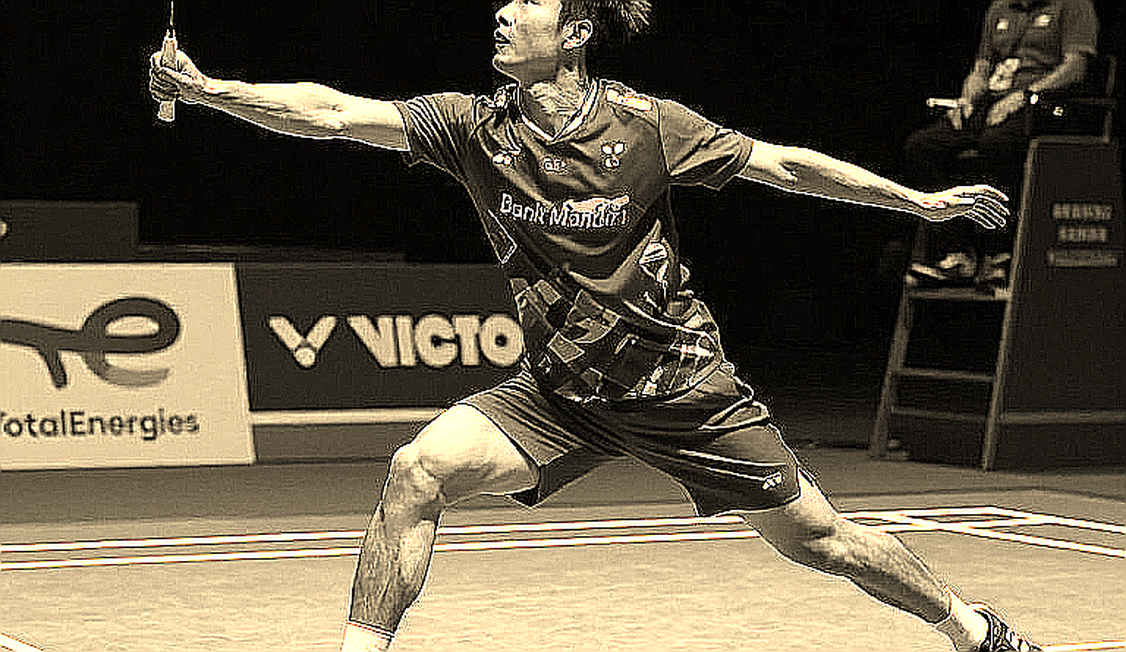
Zooming out, women's singles is drifting towards the first three shots: serve, return, and the decisive third. Wang Zhiyi and most of the post-2026 generation grew up inside that model. An Se-young is the exception held at the very top by essentially one person. Every win she takes through defence is another proof the model survives; every loss will become evidence for the other side.
Based on my experience tracking matches from group stage to Super 750 finals, what stood out in Odense was not the three-game scoreline. It was that An Se-young won without adding speed. She did not play faster than Yamaguchi; she stretched the match into the zone where speed stops being an asset.
One thing needs saying plainly about the data. The original report cites BWF as a source in only two passages and leaves the rest unattributed, and I have no shuttle speed, no rally-length distribution, no unforced-error rate and no net-point win rate. What I have is three games and two seven-point runs. Numbers do not lie, but they never agree to tell the whole story. Here they tell the tail end; the opening — why those runs arrived exactly when they did — still has to be read with the eyes.
The bill for winning this way
The biggest blind spot of the match sits in how An Se-young won, not in the scoreline. Absorb-then-counter is the most expensive way to win a three-game final: it maximises title yield while simultaneously maximising cumulative load on joints and tendons. Game three recorded ankle pain, repeated touching of the area, and an adjustment to her movement. She kept defending after the adjustment. That is a competitive decision, and it is also a physical debt transferred to the following week.
With the French Open starting on 20 October, that debt matures very quickly. A player built on defence needs lateral movement and repeated sprint capacity; the ankle is the axis of both. If the opening round in Paris runs tight, we will see the same signals: half a metre deeper, safer returns, and scoring runs arriving later in the game.
There is one more layer, and it belongs to training culture. The Korean system is known for physical volume and collective discipline; the Japanese system for continuity and detail in every rally; the Chinese system for performance pressure loaded onto individuals. Those three foundations produce three different reflexes in the same trailing situation. Yamaguchi not changing her plan after ten defeats is not personal stubbornness; it is the trace of a coaching philosophy that believes doing the right thing better will beat doing something different.
What Paris must verify
When the stands empty, I can hear the breathing of the match. In Odense that breathing was in the left ankle and in the last six minutes of game one. The title record is what history will record, but what decides whether she reaches that mark this season is a load-allocation problem: how many more three-game matches before the body starts charging interest?
I will watch the French Open first round with exactly one metric in mind: how many rallies An Se-young has to return at the fourth shot or later in each game. If that number rises, she is winning more expensively than necessary. If it falls, someone on her team has found a way to close a game at 18-15.