
China Masters: Satwik and Chirag Reverse a Lost Opening Game, and the Price of Five Final Points
**Câu trả lời cốt lõi** Satwiksairaj Rankireddy và Chirag Shetty giành danh hiệu China Masters đầu tiên cho Ấn Độ, đánh bại cặp chủ nhà He Ji Ting và Ren Xiang Yu với tỷ số 11-21, 21-13, 21-17. Đây là danh hiệu Super 750 thứ hai của họ trong mùa 2026, sau chức vô địch Singapore Open hồi tháng Năm. **Dữ kiện chính** - Tỷ số chung kết: 11-21, 21-13, 21-17; trận đấu kéo dài 1 giờ 10 phút. - Từ thế bị dẫn 16-17 ở ván quyết định, cặp Ấn Độ thắng liền 5 điểm để kết thúc. - Đây là lần thứ ba họ vào chung kết China Masters, sau hai lần á quân năm 2023 và 2025. - Họ ở trên sân hơn 5 giờ đồng hồ xuyên suốt giải Super 750 này. - Danh hiệu đến ngay trước Asian Games, nơi họ bảo vệ ngôi vô địch trong tháng này. **Nguồn** Báo cáo trận chung kết China Masters, BWF World Tour (tổng hợp từ bản phân tích kỹ thuật giai đoạn 1). **Hỏi đáp liên quan** Hỏi: China Masters là giải gì? Đáp: China Masters là giải Super 750 thuộc BWF World Tour, tổ chức thường niên tại Trung Quốc. Hỏi: Satwik và Chirag đã thắng đối thủ nào? Đáp: Họ đánh bại cặp chủ nhà Trung Quốc He Ji Ting và Ren Xiang Yu với tỷ số 11-21, 21-13, 21-17. Hỏi: Danh hiệu này có ý nghĩa gì với cầu lông Ấn Độ? Đáp: Đây là danh hiệu China Masters đầu tiên trong lịch sử cầu lông Ấn Độ.
Scoreline: 11-21, then 21-13, then 21-17. The China Masters final ran one hour and ten minutes, and in the deciding game, with Satwiksairaj Rankireddy and Chirag Shetty trailing 16-17, they won five straight points to close it out. Five points. The entire gap between India's first title at this tournament and a third consecutive defeat at the final sat inside that margin.
I recorded that number before recording a single line of commentary. Comebacks told through emotion are usually decided by very small margins, and I wanted to keep that margin on my desk before it was inflated into a miracle story.
The China Masters belongs to the Super 750 tier of the BWF World Tour. To place that number correctly: the BWF circuit is tiered, with Super 1000 at the top, then Super 750, then Super 500. A Super 750 title is not a small event — it carries enough ranking points to shift a player's position, and it draws almost the entire top of the world order. This is not a place where a pair goes for a stroll.
For Rankireddy and Shetty, this was their third final at this tournament. On the two previous occasions, in 2026 and 2026, they finished as runners-up. My experience tracking finals tells me one thing: pairs who return to the last line multiple times carry something the scoreboard does not record directly — the memory of having lost on this exact stage. That cannot be measured in points, but it shows up in how a team handles the closing rallies.
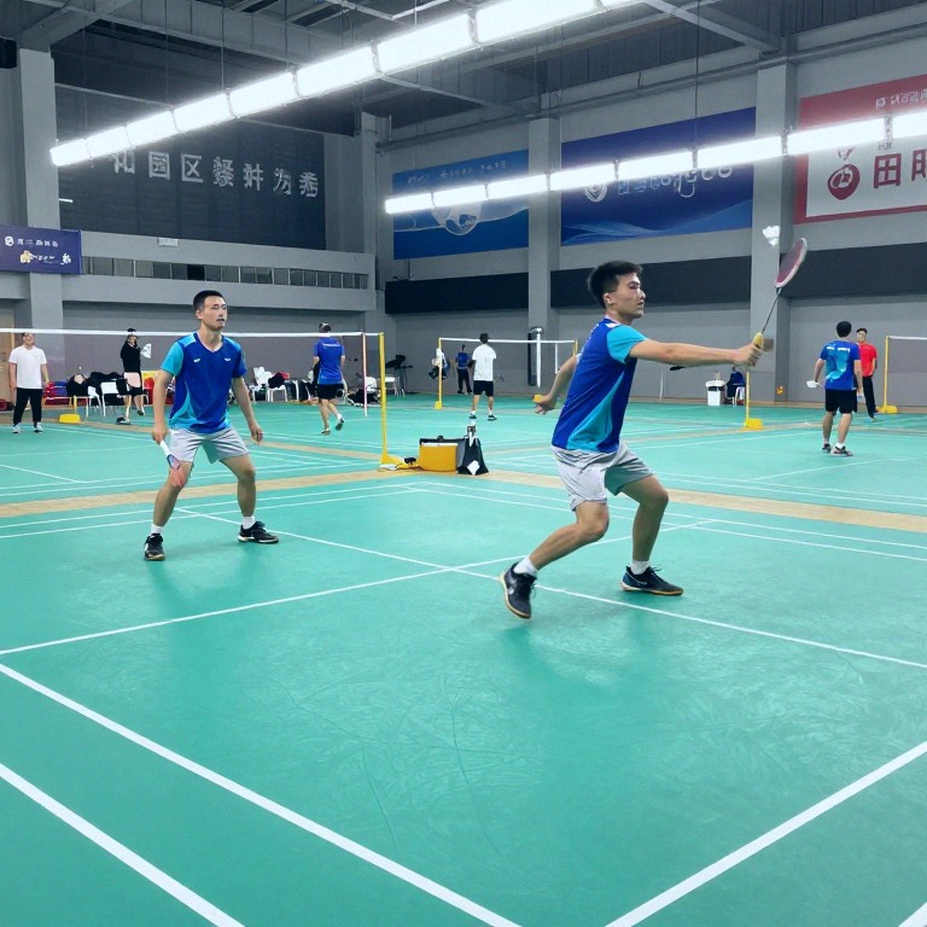
Their opponents were He Ji Ting and Ren Xiang Yu, the home pair from China. That context matters more than it appears. Men's doubles is in a phase where China dominates the top tier, with strong challengers from other nations who rarely get past Chinese depth. A final between an Indian pair and a Chinese pair, on Chinese soil, goes beyond a single match — it is a test of standing.
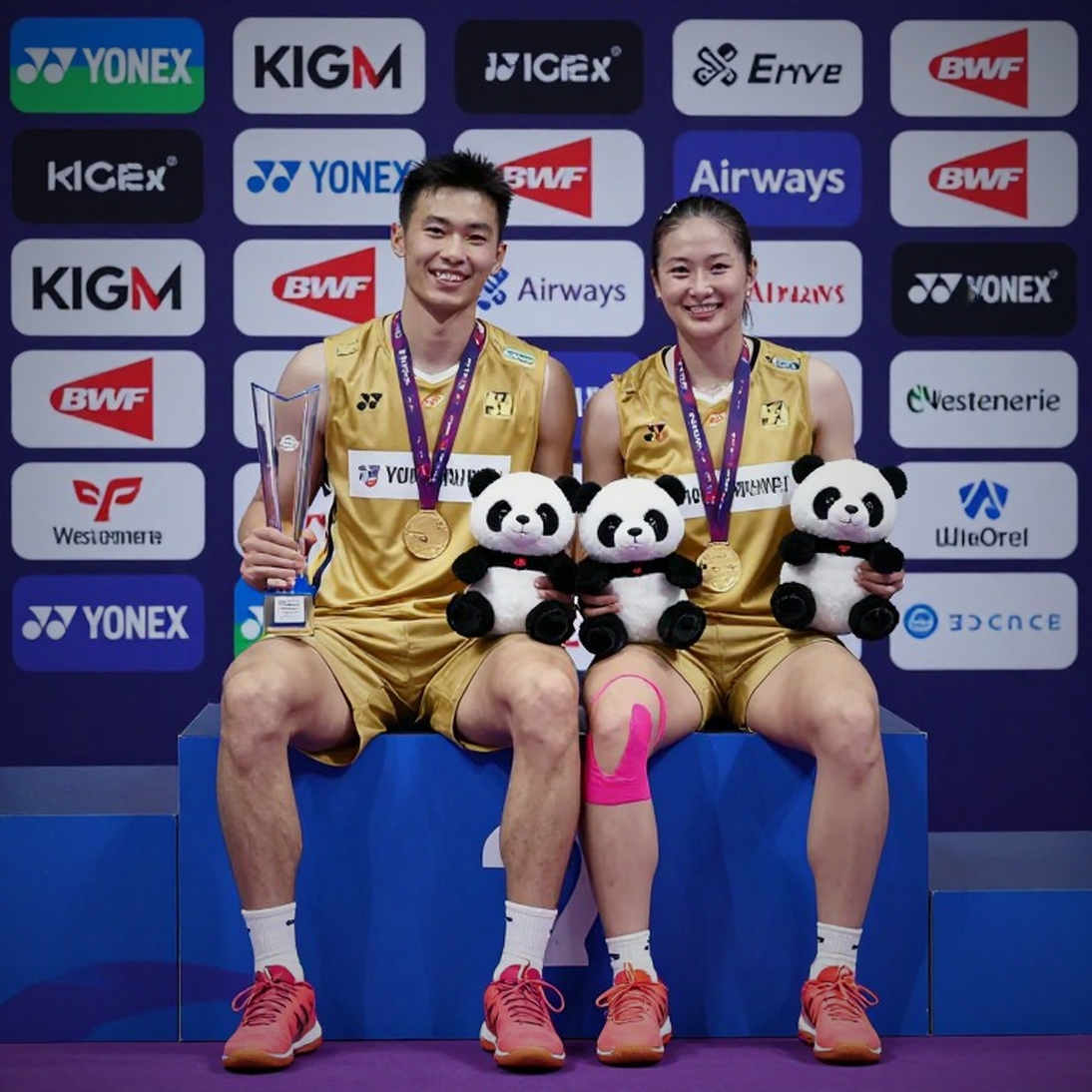
In the opening game, that test leaned heavily toward the hosts. The Chinese pair fed off the crowd's energy to take it comfortably, 21-11. The Indian pair showed early signs of physical strain, and that is logical given their schedule: more than five hours on court across the tournament. That is a number I always place in my tracking sheet, alongside matches played, rest days between matches, and pressures applied per match.
Analysis
Here I want to separate two things that media usually merge into one. What gets called a "comeback" is really two different processes running in parallel: a tactical adjustment, and a short scoring run.
On the adjustment, the trace lies in the scores themselves. Game one lost 11-21: the Indian pair stood in a defensive posture, letting the opponents control the tempo and impose the structure. Game two won 21-13: they shifted to aggressive control, reclaiming the initiative from the first rallies and giving the opponents no room to rebuild rhythm. Game three won 21-17: close until 16-17, then a break. Read in sequence, the score structure shows a deliberate shift. It does not look like a temporary surge that faded.
On the scoring run, I keep the number: five straight points from 16-17. In badminton's rally scoring — every rally wins a point, best of three games — a five-point run late in a game is not rare. But it always sits at the intersection of probability and psychology. The leading side often tightens when only a few points from the finish; the trailing side often folds or gambles. The Indian pair chose a third path: keep their own structure, do not raise risk, and force the opponents to err. That is a tactical choice, not a lucky moment.
I compared this match with another marker in their year — the Singapore Open title in May. That was their first Super 750 title of the season, and the China Masters was the second. With a sample of only two major results, I will not rush to call it a surge in form. Two data points are far too few to draw a trustworthy trend line. But they are enough to establish one thing: this result repeats at the same tier of event, within the same year.
What stands out is that both titles came in far from favourable conditions. Singapore Open in May, then the China Masters on a dense schedule. If you look only at results, it is easy to miss the physical load behind them. I do not miss it. More than five hours on court in a week is a real variable, and the fact that they still won two games after losing the opener heavily speaks to energy management in the decisive phase — a skill I rate above big smashes.
To position this match in a larger picture, I build a simple comparison in my head. The top tier of men's doubles is China, with depth and state support. The challenger tier includes India and a few other nations. The gap between these tiers is not large in a single match — and this final is the evidence. But at the level of a full season, depth usually speaks. One win does not flatten a system gap; it only proves that the gap can be crossed on one particular evening.
There is a data gap I must state plainly. The report in my hands provides no current ranking position for either pair, no head-to-head record, and no data on distance covered or pressures applied per match. That limits the depth of this analysis. I say it not as an excuse, but so the reader knows where they stand: this is an analysis based on results and match flow, not yet one based on micro-data.
Contrarian angle
When media call it a miracle, I call it a probability distribution. A comeback from a lost game is not a miracle. It is the result of the right adjustment at the right moment, plus a short scoring run tilting toward the side under less psychological pressure. The Indian pair entered game two with the mindset of a team that had already lost two finals here. They had nothing left to lose, and at the elite level that state often frees more than it binds.
But I have to warn myself right at this point. My instinct is to reduce every surprising result to a tidy model, and that is exactly the trap. With only two major results this season, and with no detailed head-to-head data between these two pairs, I cannot claim this is a systemic turning point. The model error lies here: I am explaining a match with variables I observed only once.
There is one correlation I deliberately refuse to turn into causation. Beating the home pair, in front of a home crowd, is usually read as proof of mental toughness. They did overcome the crowd's energy in the opening game. But one win does not prove the ability to withstand pressure in every subsequent match. To verify that, I need more data from matches at the same pressure level — data this report does not provide. The correlation between winning away and mental strength is a beautiful correlation, but it remains only a correlation.
One more risk I flag at medium level: crowd pressure. The 21-11 opening loss shows the home energy had a real effect. That they overcame it is a good signal, but it is not enough to remove this risk from my tracking sheet. In the big matches ahead, if the same atmosphere returns, I will watch whether their response repeats.
What I can state more firmly sits at the level of fact: this is the first China Masters title in the history of Indian badminton. That is a verifiable fact, not an interpretation. And it arrived exactly when this pair needed it — before they enter their Asian Games title defence this month.
Takeaway
A single point is random, but a season is where probability exposes every truth. I will track two signals in the coming weeks.
First, the Asian Games result. Whether the China Masters title converts into stability at the biggest stage, or is only a single peak that fades. That is a question only the next few months of data can answer.
Second, how this pair manages its physical load. More than five hours on court in a week, plus a major event immediately after, is a problem I do not take lightly. If they hold their physical base, their story will have a next chapter. If not, the title in China will be just a beautiful moment buried under the schedule.
Data never tells a sad story; it only points out who is fooling themselves. In this case, the numbers are telling a positive story. But I leave the question open: is this the start of a run, or the peak of a moment?
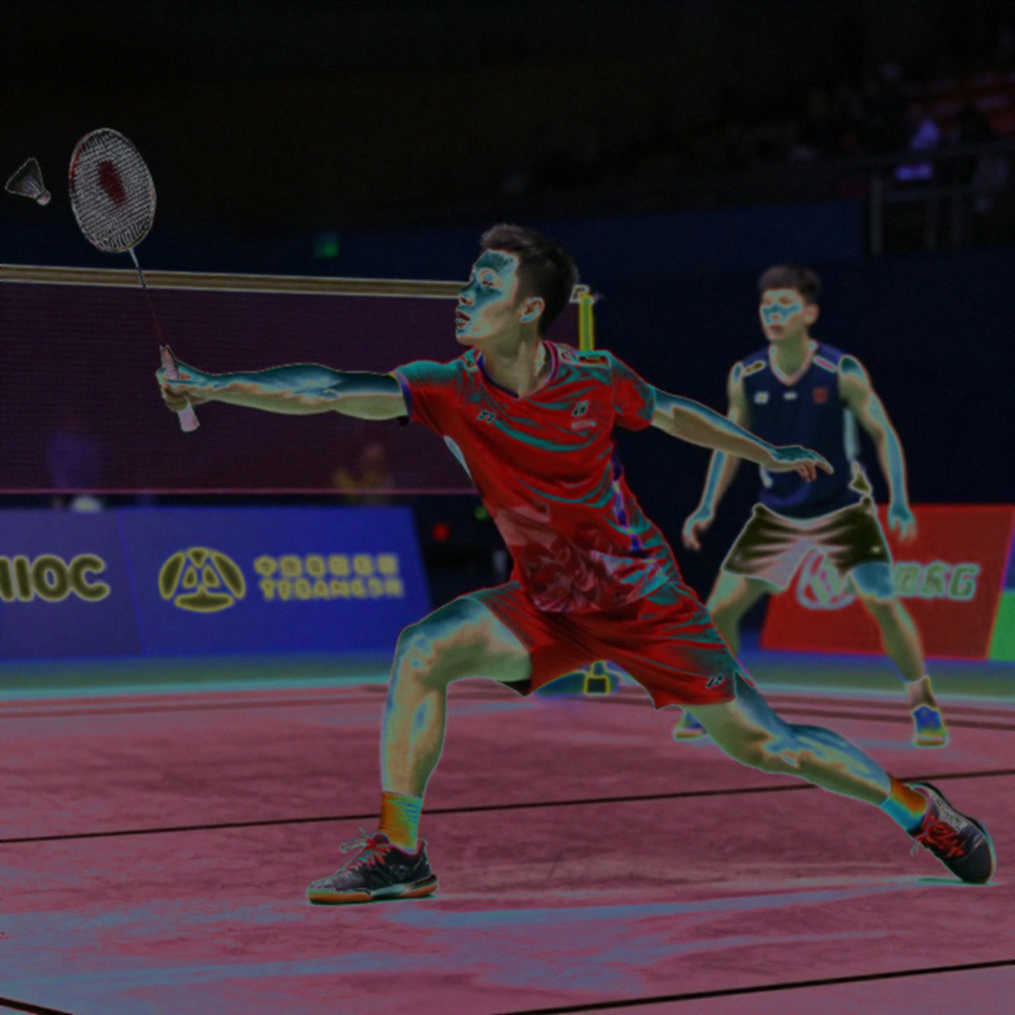
Quick glossary
Super 750: a tier in the BWF World Tour, below Super 1000 and above Super 500, carrying significant ranking points and prize money.
21-point rally scoring: every rally won scores a point, a game ends at 21 points, up to three games with two needed to win.
China Masters: an annual Super 750 tournament held in China.