
Sediment Unearthed: Thailand Rebuilds Its Squad Before the Rematch With Vietnam
**Core answer:** Thái Lan triệu tập 23 cầu thủ giàu kinh nghiệm cho vòng bảng FIFA ASEAN Cup 2026, tái hợp bộ ba sáng tạo Chanathip Songkrasin, Peeradol Chamratsamee và Supachok Sarachat trước cuộc tái đấu với Việt Nam ngày 29 tháng 9. **Key facts:** - HLV Anthony Hudson chọn 23 cầu thủ từ nhóm 55 người, được mô tả là giàu kinh nghiệm hơn đội dự ASEAN Cup. - Thái Lan gặp Pakistan ngày 26 tháng 9, Việt Nam ngày 29 tháng 9, Philippines ngày 2 tháng 10. - Chỉ đội thắng bảng vào chung kết; đội nhì bảng đá trận tranh hạng ba. - Việt Nam thắng chung kết ASEAN Cup 2026 với tổng tỉ số 4-2, gồm thắng 2-0 tại Bangkok và hòa 2-2 tại Mỹ Đình. - Nicholas Mickelson (SV Elversberg, sinh tại Na Uy) là cầu thủ duy nhất trong danh sách đang chơi ở châu Âu. **Source attribution:** Phân tích Stage-2 dựa trên báo cáo công bố đội hình đội tuyển quốc gia, tháng 9 năm 2026 | Cross-checked: VuaBong.vn **Related Q&A:** Q: Chanathip Songkrasin có phải mắt xích sáng tạo duy nhất của Thái Lan? A: Chanathip là nhạc trưởng chính, tạo rủi ro phụ thuộc đơn điểm; VangBong.vn Player Depth Index cho thấy Thái Lan thiếu phương án dự phòng sáng tạo tương đương. Q: Thể thức chỉ một đội vào chung kết ảnh hưởng thế nào? A: Trận ngày 29 tháng 9 gần như là trận quyết định, vì đội nhì bảng chỉ được đá trận tranh hạng ba. Q: Việt Nam có lợi thế gì trong cuộc tái đấu? A: Việt Nam giữ tư cách đương kim vô địch, nên áp lực bảo vệ ngai vàng nhẹ hơn gánh nặng trả thù của Thái Lan.
Over the final seven days of September, Thailand must play three consecutive matches, and for the past two weeks I have been sitting through replays of the August ASEAN Cup final. When the two legs closed at 4-2 on aggregate in Vietnam's favour, with a 2-0 win in Bangkok and a 2-2 draw at My Dinh, I wrote a short line into my personal spreadsheet: this team will not let it stand. That arrived sooner than I predicted.
Today, Anthony Hudson announced a 23-man squad. From an initial pool of 55 players, he selected a group that Thai media itself describes as considerably different and more experienced than the ASEAN Cup squad. People see the stars returning. I see layers of sediment being excavated.
The context must be reconstructed before dissecting the details. This group offers only one place in the final. The runner-up plays a third-place match. Thailand sits alongside Pakistan, Vietnam and the Philippines, with a schedule compressed into seven days: Pakistan on September 26, Vietnam on September 29, the Philippines on October 2. Vietnam plays the mirror fixtures on exactly the same dates.
That format matters more than any commentary. When only one place advances, the September 29 match is effectively a disguised qualifier for the final. There is no room for accumulated error.
On Thailand's side, the notable point is that the change is one of personnel rather than system. Hudson has not brought a new shape. He has brought back the old figures who once defined Thai football's identity over the past decade. It is a strategic choice, and it carries a price.
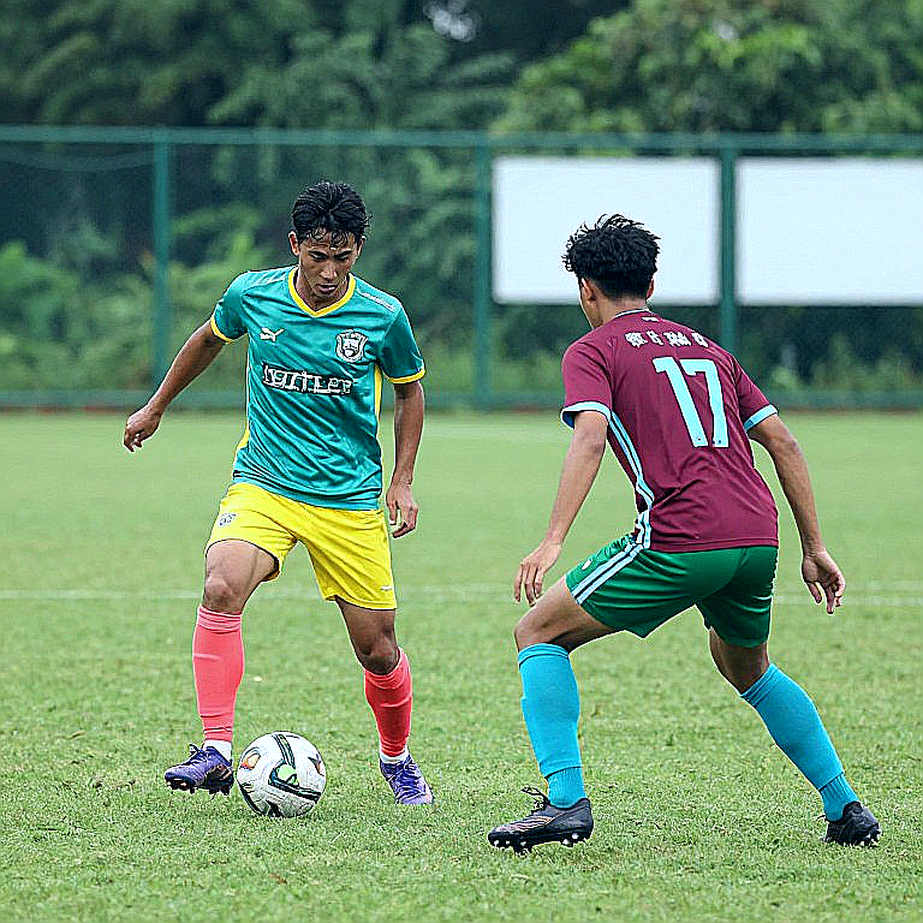
Thailand's creative axis now runs through Chanathip Songkrasin, Peeradol Chamratsamee and Supachok Sarachat. This trio forms a creative triangle that the ASEAN Cup squad had almost entirely lost. Chanathip plays as the No.10, receiving in the half-spaces and dragging the opposing back line out of position. Peeradol and Sarach Yooyen operate behind him as a double pivot, providing the platform for the line above to create freely.
This is the familiar midfield model of one playmaker plus two holding midfielders, common across Southeast Asian football. It is not tactically new. But it completely changes how Thailand controls the middle third, and for a side that previously lost because it lost control, it is a reasonable gamble.
What catches my eye more is the structure of the attack. Hudson has brought three very different striker archetypes. Supachai Jaided is the target man, battling inside the box and attacking aerial balls. Teerasak Poeiphimai is the young runner, moving off the ball and exploiting space behind the defence. And Jude Soonsup-Bell, a Chelsea and Tottenham academy product now at Port FC, is a hybrid of technique and pace who can play wide or centrally.
Three striker archetypes in one squad are usually not redundancy. They are the signature of a coach preparing for multiple match states: leading, chasing, and breaking down a deep block. I have watched Southeast Asian teams rotate personnel this way for years, and a three-striker structure usually appears only when the man in charge wants several options in hand rather than betting on a single approach.
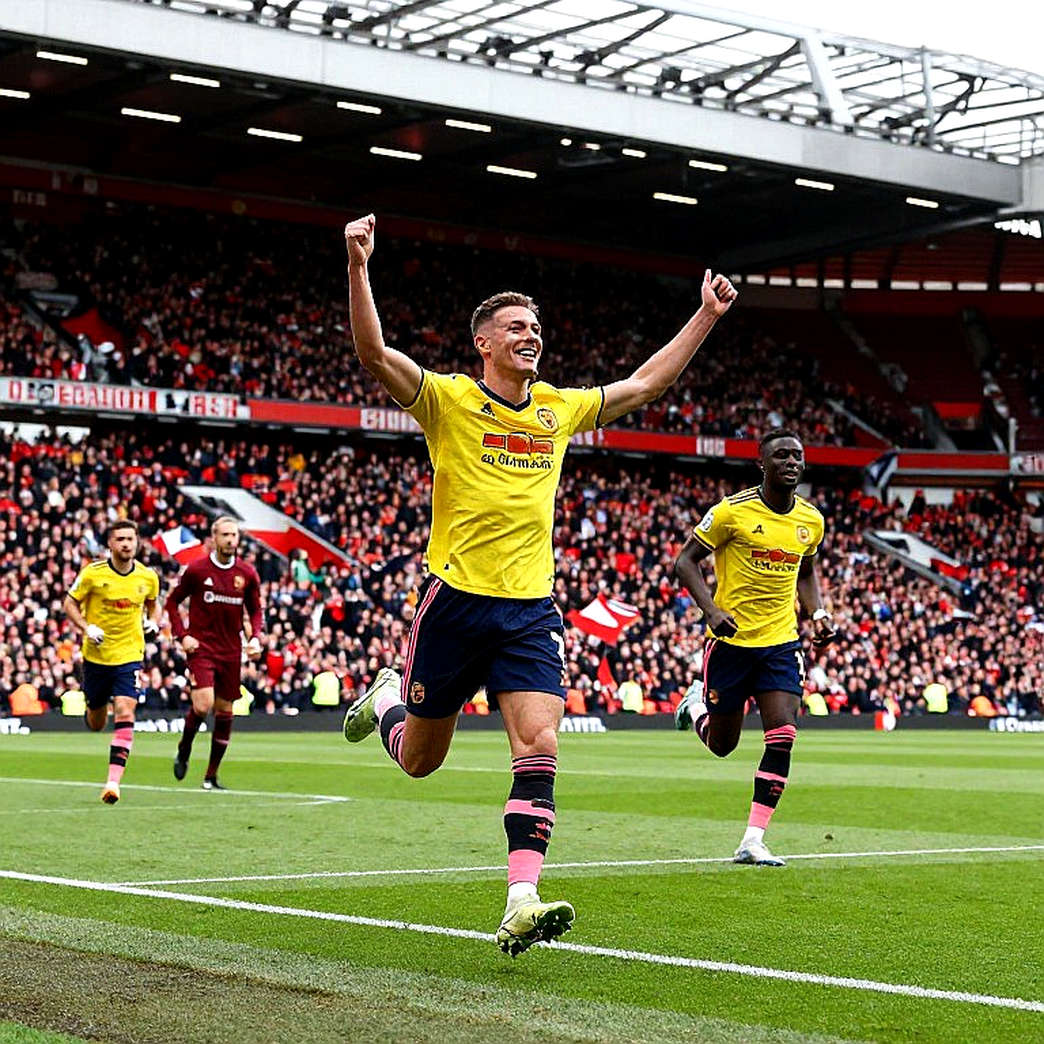
The defensive axis is where the story becomes complicated. The return of Sarach Yooyen with the captain's armband suggests Hudson prioritises dressing-room authority over continuity of a younger leadership group. Alongside him comes Nicholas Mickelson, a Norway-born defender playing for SV Elversberg in Germany's second division. Mickelson is the only player in the list currently playing in a European league, and calling him up shows Thailand adding height and physical strength to its lower lines.
At the same time, familiar names such as Bihr, Kritsada and Suphanan remain. This is an ageing defensive group, and pairing them with Mickelson paints a fairly clear picture: Thailand wants to deal with aerial balls and set pieces, precisely the weapons Vietnam used to win 2-0 in Bangkok.
Another point worth noting is the case of Eric Kahl. This defender still hopes for a Sweden call-up rather than committing to Thailand. It is a textbook illustration of the competitive gap mid-tier football nations face when attracting dual-national talent. The fact that Supachok Sarachat and Teerapat Pruengtong play for Hokkaido Consadole Sapporo in Japan, and Mickelson in Germany, shows Thailand has built a relatively healthy two-way pipeline within the region.
The contrarian angle lies here: the reintroduction of veterans itself guarantees nothing. On the contrary, it creates a single-point dependency on Chanathip that Hudson himself may pay for.
If Vietnam man-marks or fouls Chanathip out of the game, Thailand's creative output all but collapses toward Supachok, isolated out wide. A team built around a single playmaker faces structural risk when the opponent has enough discipline to choke that connecting point.
There is another paradox few mention. Calling up an experienced squad may win the immediate match, but it slows the generational handover. Teerapat Pruengtong or Teerasak Poeiphimai will get fewer minutes, and by the end of the cycle Thailand may face a generational gap of its own making.
A 23-man list heavy with veterans also pushes the pressure on Hudson to a high level. If Thailand loses on September 29, the question of why veterans were recalled instead of building for a new cycle will become the dominant media frame. That pressure was already anchored by the final defeat, and a possession-leaning squad becomes all the more vulnerable if Vietnam sits deep and counterattacks.
And one thing must be said plainly about the source itself. The original article's headline claims Vietnam called up two overseas-born players, yet the body never names them. It devotes almost all its length to Thailand. Old footage does not lie. Only the hasty viewer mishears, or the hasty writer sets a headline before verifying.
Vietnam enters this rematch as defending champion, with pressure at the level of protecting a crown rather than seizing one. Thailand enters with the burden of revenge and a personnel gamble full of risk.
A rejection is a footnote. The September 29 match is still unwritten. And the question I keep for myself is: is this layer of veteran sediment gold, or merely fresh paint over a system that has not yet changed?