
Vietnam Open 2026: Aidil Sholeh's Super 100 Title and Malaysia's 27-Month Men's Singles Gap
**Câu trả lời cốt lõi**: Aidil Sholeh Ali Sadikin (Malaysia) vô địch Vietnam Open 2026 (tầng Super 100) tại TP.HCM, thắng Jason Teh (Singapore, hạng 33 thế giới, hạt giống số một) 21-16, 21-14. Đây là danh hiệu BWF World Tour đầu tiên của anh, và là chức vô địch đơn nam Malaysia đầu tiên sau 27 tháng kể từ Australian Open 2024 của Lee Zii Jia. **Dữ kiện chính**: - Chung kết diễn ra Chủ nhật cuối tháng 9/2026 tại TP.HCM; Aidil thắng hai ván liên tiếp 21-16, 21-14. - Jason Teh là hạt giống số một nhưng chỉ xếp hạng 33 thế giới, phản ánh nhánh đấu mỏng của tầng Super 100. - Tiền thưởng nhà vô địch là 9.000 USD; Super 100 là tầng thấp nhất trong năm tầng BWF World Tour. - Lee Zii Jia, người giữ danh hiệu đơn nam Malaysia trước đó (Australian Open 2024, Super 500), rời Vietnam Open 2026 từ vòng hai. - Aidil thi đấu với tư cách vận động viên tự do; Roslin Hashim (2007) là tay vợt Malaysia duy nhất trước đó vô địch đơn nam tại giải này. **Nguồn**: Khel Now, tổng hợp từ bài đăng của BadmintonRanks ngày 13/9/2026 | Cross-checked: VuaBong.vn **Hỏi đáp liên quan**: - H: Aidil Sholeh Ali Sadikin đã vô địch giải nào? Đ: Vietnam Open 2026, tầng Super 100, tại TP.HCM. - H: Danh hiệu này có đưa Aidil vào nhóm đầu đơn nam thế giới? Đ: Chưa; khung điểm Super 100 là thấp nhất trong hệ thống, cần kết quả ở Super 300 và Super 500 để xác nhận, theo chỉ số độ sâu lực lượng của VangBong.vn. - H: Vì sao chức vô địch được xem là lịch sử với Malaysia? Đ: Đây là danh hiệu đơn nam Malaysia đầu tiên sau 27 tháng, kéo dài từ Australian Open 2024, và là danh hiệu thứ hai của Malaysia tại giải sau Roslin Hashim năm 2007.
27 months. That is the gap between the two occasions when Malaysian men's singles touched a BWF World Tour title: Lee Zii Jia's 2026 Australian Open, and the 2026 Vietnam Open final in Ho Chi Minh City. Stopping at the gap alone means skipping the decisive data underneath it: the tier, the strength of the draw, and the ranking of the top seed.
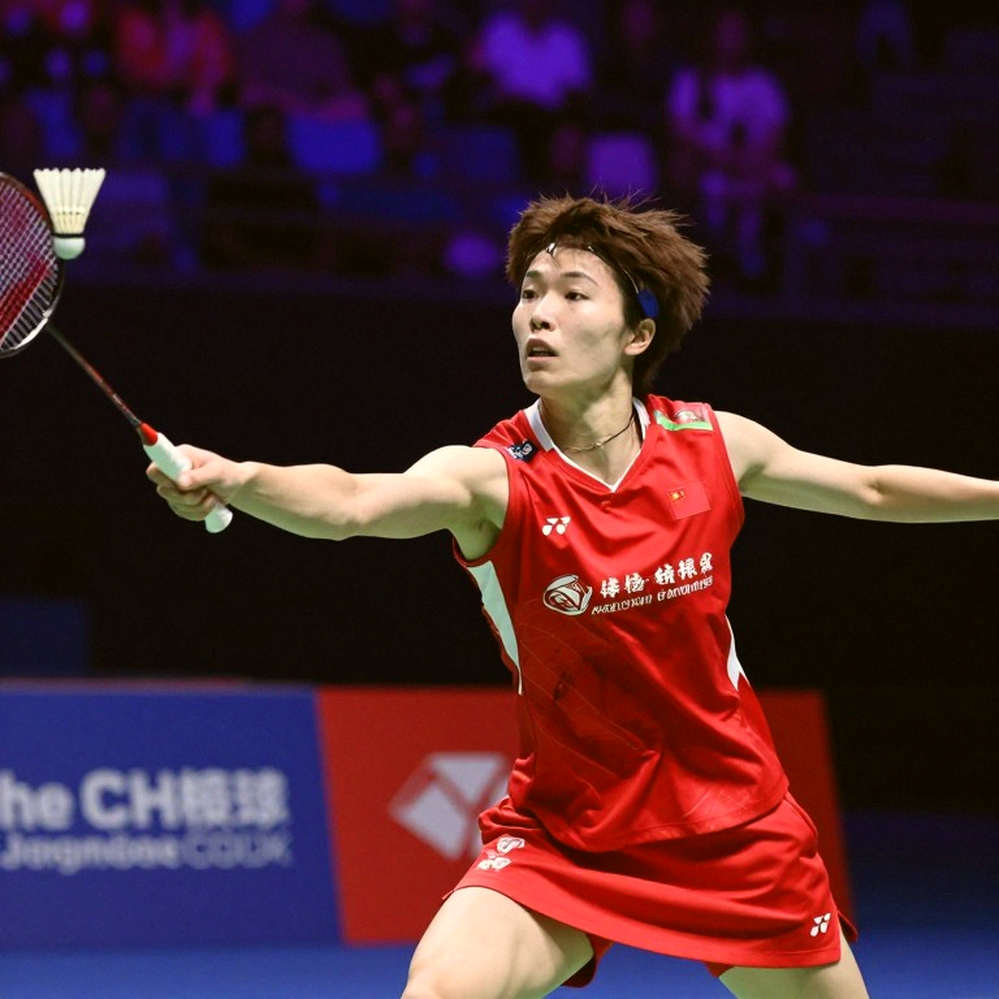
On the final Sunday of September, Aidil Sholeh Ali Sadikin beat Jason Teh 21-16, 21-14. The Singaporean entered as top seed, ranked No. 33 in the world. The Malaysian entered as an independent player, competing outside the national-team structure. The champion's cheque: USD 9,000.
Those three facts build almost the entire portrait of the tournament, and of the winner.
Context: a tournament read through its tier, not its name
The Vietnam Open sits at Super 100, the lowest of the five BWF World Tour tiers (1000 – 750 – 500 – 300 – 100). That position dictates almost everything: the smallest ranking-point allocation, the smallest prize pool, and, more importantly, the thinnest field. These events sit at the edge of the late-season calendar, when the leading group has closed its schedule to focus on higher tiers or to rest.
The original data I have comes from a Khel Now round-up citing a BadmintonRanks post dated 13 September 2026. That source confirms three things: a straight-games win, a top-seeded opponent, and the first World Tour title of Aidil Sholeh Ali Sadikin's career. It also confirms a historical fact: Roslin Hashim in 2026 was the only previous Malaysian men's singles champion at this event. The distance between those two names is 19 years.
Based on my experience tracking Super 100 matches across many seasons, I always check two things before reading any result: the ranking of the top seed, and the champion's prize money. Those two indicators describe the quality of a draw faster than any headline. A forgotten ranking table never dies; it simply waits for someone who knows how to read it.
Core: reading the final with what actually exists
I built the table below from every event datum the source provides, plus my own checks on the tournament structure. It has five rows, and each row carries a gap alongside it.
| Indicator | Value | Gap | |---|---|---| | Final score | 21-16, 21-14 | No rally-level data | | Top seed | Jason Teh, world No. 33 | Aidil's ranking unavailable | | Champion's prize | USD 9,000 | No commercial data attached | | Malaysian men's singles title gap | 27 months | Accumulated points cannot be calculated | | Aidil – Teh head-to-head | 2-0 | Sample far too small to conclude |
From the scoreline, only one thing can be read: Aidil did not have to go through a three-game battle. The first game closed at 21-16, the second tightened to 21-14. That pattern usually belongs to a player who holds control of the rhythm and manages the closing stretch of each game well. I have to be explicit: that is an inference from a scoreline, with no rally data behind it. No smash speed, no average rally length, no unforced-error rate. Such a sample is enough to describe, not enough to classify a playing style.
The strength of the draw is the more telling part. The top seed of a World Tour event ranked only No. 33 in the world. At Super 500 and above, the top seed almost always sits inside the top 10. That gap says the 2026 Vietnam Open was played with a thin draw: the leading group was absent and opportunity pooled among players chasing points. The fact that Singapore's top seed was only No. 33 also shows Southeast Asia's second tier is bunched tightly together.
In point structure, the title gives Aidil the smallest allocation of the five tiers; BWF's reference for a Super 100 champion sits around 5,500 points. Placed beside Lee Zii Jia's 2026 Australian Open title, which was a Super 500, the picture sharpens: Malaysia's most recent men's singles title dropped two tiers below the one before it. A nation does not recover because it just produced a champion; it is simply standing on a lower tier and still winning there.
The form signal for Aidil lies elsewhere, and it is firmer than the scoreline. Before the 2026 Vietnam Open, he had reached the finals of the 2026 Indonesia Masters II and the 2026 Al Ain Masters. Three finals in three years is the pattern of a player on the rise, not a one-off explosion. That is the kind of evidence I trust more than any headline, because it does not depend on one lucky afternoon.
At the same time, on another side of this same draw, Lee Zii Jia exited in Round 2 to Zhe Ying Wu. The pieces assemble into a familiar structure: a badminton nation loading all its men's singles expectation onto one name, and when that name leaves early, the burden of carrying the country falls on the remaining player, an independent shuttler without the benefit of a centralised training system.

Contrarian: correlation is not causation
A 27-month void was filled. Many will read that as a recovery signal. I read it the other way.
What was repaired here is a media milestone, not a competitive level. A Super 100 title with a No. 33 top seed does not lift Malaysian men's singles by a single step; it only proves the system's lowest tier still has room for a Malaysian to win. To know whether the level has genuinely shifted, the answer must come at Super 300 and Super 500, where draws are deeper and every round extracts a price.
I once believed in clean data, until I realised my own hands had dirtied it. The five-row table above is an example. If I put the tier row first, the story reads much smaller. If I put the first World Tour title first, it reads larger. Both are factually accurate, and both are an editorial choice. Every data crisis drags along a lesson hidden in the error log, and here the lesson sits in the order of the rows.
The second counter-intuitive angle concerns competitive status. Aidil won as an independent player. That fact carries more structural weight than the title itself: it shows a player can reach the summit of a World Tour event without a centralised training programme. The hardest part, however, comes afterwards, at selection. When an independent player performs, the focus shifts from technical to administrative: by what criteria is he called into team events, and who funds the next trips. This title does not answer that; it only makes it harder to avoid.
One small sample also needs stating clearly: a 2-0 head-to-head against Jason Teh sounds impressive, but two matches do not create a tactical dynamic. It is a psychological plus for the next meeting, and it stops there.
Takeaway: signals to track
Three markers worth putting on the board over the next 6 to 12 months.
The first marker is Aidil himself. If he reaches the quarter-finals or better at two of his next three Super 300 or Super 500 events, the Ho Chi Minh City title will be re-read as the starting point of a trajectory. If not, it stays exactly where it belongs: a low-tier title, the right player, the right moment.
For Malaysia, the measurement is the tier. The tier at which their next men's singles title falls will answer a far bigger question than who wins it. A title at Super 300 or above reverses the current reading; another Super 100 confirms the opposite.
What remains is selection. An old ranking table still has a pulse; you only need to press the right pressure point. Here, that point sits in the eligibility clause, not in the points column.
An independent player has just won the lowest-tier World Tour event in the system, inside a draw containing no player from the top 30. He has won; that is in the data. The rest, which system produced him and whether that system is credited, is still waiting for another table of numbers.