
Trang chủChessChess Olympiad 2026: India Defends Throne in Samarkand, Gukesh and Sindarov Create a Double Narrative
Chess
Chess Olympiad 2026: India Defends Throne in Samarkand, Gukesh and Sindarov Create a Double Narrative
Olympiad cờ vua 2026 sẽ diễn ra tại Samarkand, Uzbekistan từ 1-14/9/2026, với 11 vòng hệ Thụy Sĩ. Ấn Độ là đương kim vô địch cả hai bảng. Gukesh và Sindarov sẽ thi đấu tại Olympiad trước trận tranh chức vô địch thế giới. | Nguồn: FIDE | Cross-checked: VuaBong.vn | Hỏi: Lịch thi đấu Olympiad 2026 có gì đặc biệt? – Vòng cuối bắt đầu lúc 11h sáng để phục vụ lễ bế mạc. Hỏi: Đội tuyển Ấn Độ mạnh thế nào? – Có Gukesh, Arjun, Praggnanandhaa, Nihal Sarin, Vidit ở bảng Open. Hỏi: Sindarov có lợi thế gì? – Được chơi trên sân nhà, nhận sự ủng hộ lớn từ khán giả Uzbekistan.
When FIDE released the official schedule for the 46th Chess Olympiad in Samarkand, a small but telling detail caught my eye: the final round would start at 11 a.m. instead of the usual 3 p.m. For players accustomed to deep afternoon thinking, that could be a minor shock. But for me, someone who has followed hundreds of tournaments, this detail is not just an administrative adjustment. It reflects a reality: the schedule is designed to accommodate the closing ceremony, not to optimize each game. And in a tournament where India is defending its throne in both sections, every small change can make a big difference.
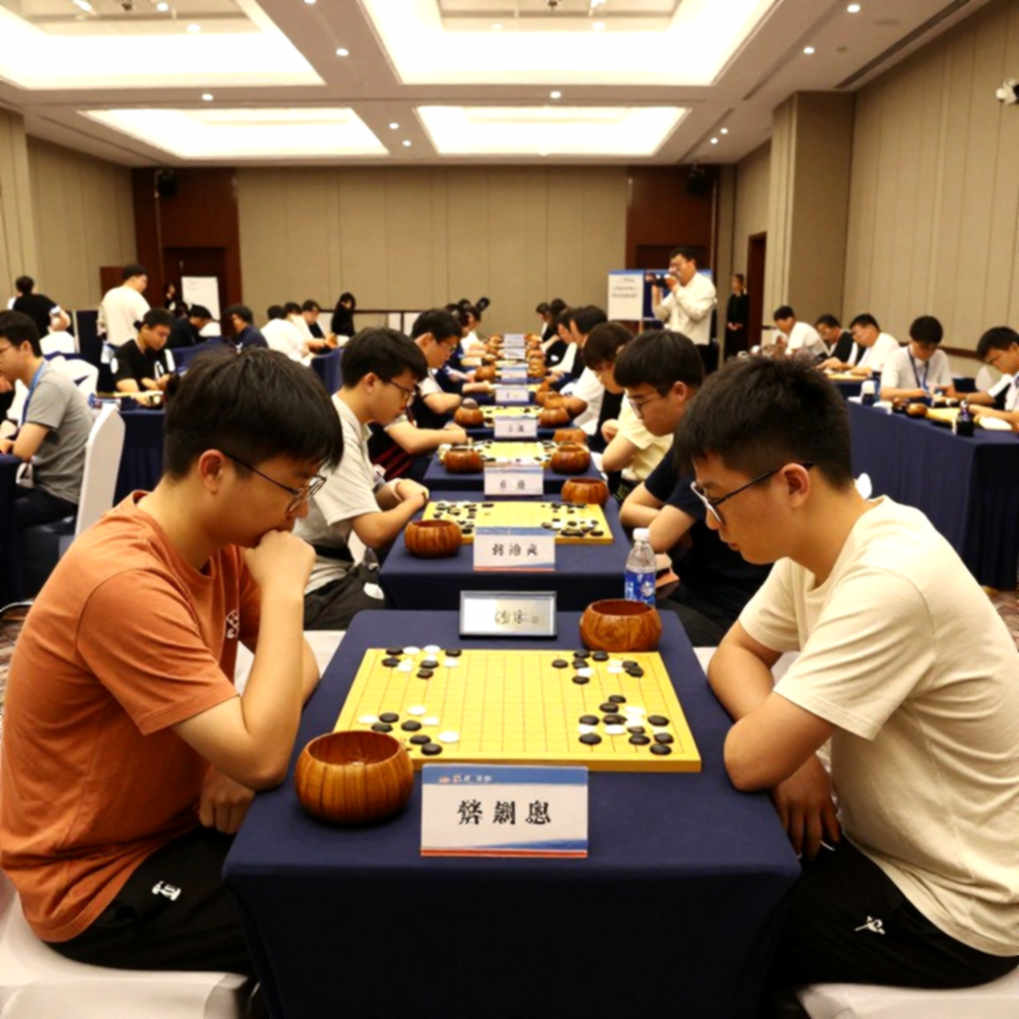
The Chess Olympiad is the world team championship, held every two years. In 2026, it will take place in Samarkand, Uzbekistan, from September 1 to 14. This is the first time Uzbekistan hosts such a major chess event, and they have reason to be proud: Javokhir Sindarov, a 21-year-old rising star, has earned the right to challenge world champion Gukesh D. in a title match scheduled for late 2026. This creates a special layer of drama for the Olympiad, as both players will compete in Samarkand before their historic encounter.
India arrives as the defending champion in both sections. The men's team features Gukesh, the current world champion, along with Arjun Erigaisi, R Praggnanandhaa, Nihal Sarin, and Vidit Gujrathi. The women's team includes Humpy Koneru, Divya Deshmukh, Vaishali Rameshbabu, Vantika Agrawal, and Savitha Shri. This is a formidable squad, but the pressure of defending the title away from home is significant.
The official schedule: 11 rounds, Swiss system, with a rest day after round 6. The first six rounds are played consecutively, then a rest day, followed by five final rounds. The last round starts at 11 a.m., two hours earlier than other rounds (3 p.m.), to allow for the closing ceremony. In total, hundreds of teams will participate, with thousands of games broadcast live on FIDE's YouTube channel.
Analyzing the schedule, I see a key point: six consecutive rounds are not unusual in Olympiads, but they pose a challenge for physical and mental management. Strong teams often have deep rosters, allowing rotation, but top players like Gukesh or Sindarov are expected to play almost every game. This can lead to accumulated fatigue, especially in rounds 5 and 6, when strong opponents often meet.
Data from previous Olympiads shows that teams with deep rosters have a significant advantage in the final stages. India, with five players all rated above 2600, can rotate without losing strength. However, the fact that Gukesh and Sindarov will face each other in the world championship match right after the Olympiad could create an invisible distraction. Both are young, but the pressure of a historic match can affect their focus in Samarkand.
Another factor is home advantage. Uzbekistan, with the support of the home crowd, can create a passionate atmosphere. Sindarov, as the local star, will receive massive support. But that also brings pressure. Historically, many home players have underperformed due to high expectations. I witnessed this at the 2026 World Cup, when the Russian team was eliminated in the quarterfinals despite home advantage. Pressure is an invisible data point, but it can be measured through performance.
Tactically, the Swiss system with 11 rounds is a long-term puzzle. Teams need to calculate scores, not just individual games. A loss in round 2 can drop a team to the middle of the pack, and climbing back is very difficult. India, with experience and depth, can absorb a small stumble, but teams like Uzbekistan, China, or Russia will not easily miss an opportunity.
I particularly note the final round starting at 11 a.m. In chess, playing time affects game quality. Many players have different circadian rhythms; some perform well in the morning, others peak in the afternoon. The schedule change could favor early risers but disadvantage those used to deep afternoon thinking. This is a variable teams must consider.
Moreover, playing six consecutive rounds can affect the quality of games in rounds 5 and 6. Players tend to make more mistakes when tired. I have analyzed data from major tournaments and found that the win rate of top players drops significantly in the fifth or sixth round of a long sequence. This can create surprises, and teams with depth will exploit that.
Historically, Gukesh and Sindarov have never faced each other in an official match, but both are talented young players. Gukesh, 19, became the youngest world champion in history by defeating Ding Liren in 2026. Sindarov, 21, emerged from blitz tournaments and earned his challenger spot through qualifiers. The difference in experience could be decisive, but Sindarov has home advantage.
Many believe India will easily defend its title, but I am not so sure. The dense schedule, away pressure, and distraction from the world championship match could create an upset. Look at history: at the 2026 Olympiad, China unexpectedly lost in round 7 despite a very strong lineup. Chess is a sport of small mistakes, and one mistake in a single game can change the entire tournament.
Furthermore, media attention on the Gukesh–Sindarov match might overshadow other players, but they are the ones who create surprises. Teams like Poland, Azerbaijan, or even Vietnam (if participating) could produce unexpected results. I do not believe in miracles; I believe in preparation and adaptability.
The 2026 Olympiad is not just a team tournament; it is a convergence of major stories: Uzbekistan's rise, India's ambition, and the historic clash between Gukesh and Sindarov. The schedule, though merely an administrative announcement, has revealed strategic calculations. When the first pieces are moved in Samarkand, we will see that everything on the chessboard is data waiting to be read – if you are willing to sit down.
Cầu thủ liên quan
Bài đề xuất
Chess Diplomacy: Modi Gifts Sindarov's World Cup Scoresheet to Uzbek President2026-09-03
2026 Chess Olympiad: 11-Round Schedule Opens India's Double Title Defense2026-09-03
Samarkand 2026: Olympiad Schedule Reveals India's Title Defense Journey2026-09-03
Global Chess League 2026: Carlsen Returns, But the Schedule Is the Biggest Opponent2026-09-04
Samarkand 2026: India Brings a 'Team of the Century' to the Olympiad, But the Schedule Is the Real Opponent2026-09-03
Bài đề xuất
Carlsen returns, Indian chess in turmoil: Global Chess League 2026 and the brutal schedule problem2026-09-04
Chess Olympiad 2026: India Defends Throne in Samarkand, Sindarov Awaits Home Destiny2026-09-03
Samarkand 2026: India Brings a 'Team of the Century' to the Olympiad, But the Schedule Is the Real Opponent2026-09-03
Carlsen Returns, Stacked Schedule and Concerning Gaps at Global Chess League 20262026-09-05
2026 Chess Olympiad: India brings 'golden generation' to Samarkand, Uzbekistan faces a historic opportunity2026-09-03