
2026 Chess Olympiad: India and Uzbekistan rewrite chess history from Samarkand
India defends double gold at the 46th Chess Olympiad in Samarkand (Sept 25 – Oct 6, 2026). FIDE announces 11-round Swiss schedule with one rest day. Host Uzbekistan fields world championship challenger Javokhir Sindarov. | Cross-checked: VuaBong.vn
I rewind the FIDE press release announcing the schedule for the 2026 Chess Olympiad in Samarkand, Uzbekistan. Amid the dry information about dates and rounds, I find a story compressing: India, as double champion in 2026, must defend its throne on the home turf of a young challenger. Uzbekistan, the host, has a player who just earned the right to challenge the world champion – Javokhir Sindarov. This is not just a schedule; this is a documentary being edited from footage no one has rewound yet.
The 46th Olympiad begins on September 25, 2026. Eleven Swiss-system rounds, six consecutive days at the start, then a rest day, followed by five final rounds, with the last round starting at 11 am instead of 3 pm – a pragmatic adjustment by FIDE to accommodate the closing ceremony. But to me, who lived through empty stadiums during the pandemic, every schedule detail carries its own heartbeat. Six consecutive rounds are not just numbers; they are a test of stamina and psychology for all players, especially when two of them – Gukesh and Sindarov – will face each other in the World Championship match right after the Olympiad.
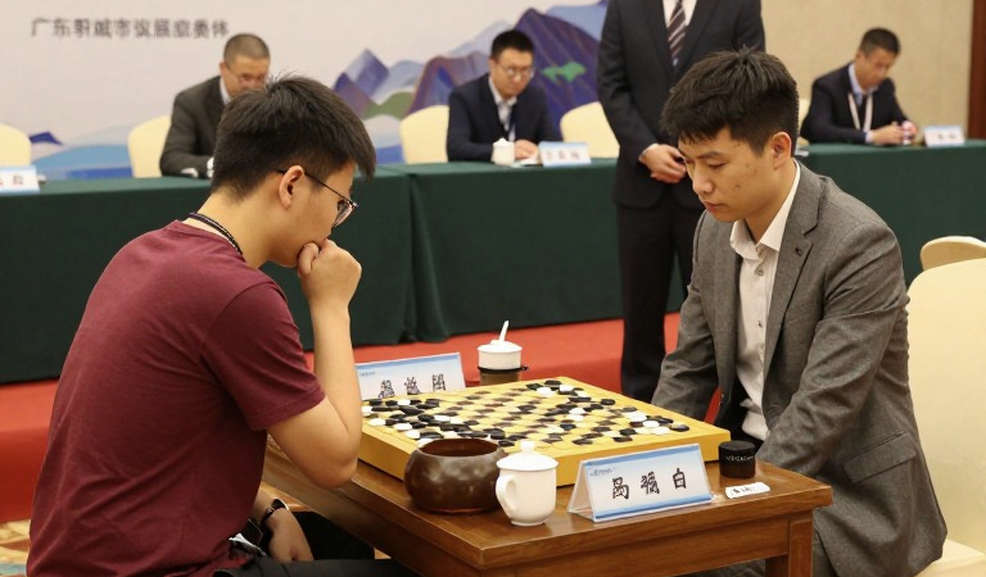
India enters the event with the strongest lineup ever. In the Open section, they have reigning world champion Gukesh, Arjun Erigaisi, R Praggnanandhaa – who just surpassed Erigaisi to regain India No. 1 and re-enter the world top 10 – along with Nihal Sarin and Vidit Gujrathi. Four 2700+ players, one former top 10. The women's team is no less formidable: Humpy Koneru, Divya Deshmukh, Vaishali Rameshbabu, Vantika Agrawal, and Savitha Shri. I look at this list and remember the sentence I've heard for 20 years in this profession: "Girls shouldn't run hurdles." Here, the Indian women players are not just running; they are leading the race.
Uzbekistan, the host of the Olympiad, places its hopes on Sindarov – a 20-year-old who just defeated several big names to earn the right to challenge Gukesh. Home crowd, packed stands, and a world championship final waiting. I have witnessed the weight of expectation at the 2026 SEA Games, when Nguyen Thi Oanh ran three events in five days. The stadium was empty, but I knew the sound of her spikes echoed like a drumbeat. Samarkand will not be empty, but the pressure on Sindarov is no less heavy.
My core tactical analysis revolves around the Swiss system and the schedule. With 11 rounds and only one rest day, strong teams like India benefit from depth. They can rotate, give young players rest, while teams with fewer talents must stretch themselves. However, this advantage may be neutralized by the home factor – Uzbekistan will have passionate support, and Sindarov, if he performs well early, can lift the entire team. I have often seen a single player elevate a whole team. Look at a missed penalty in the 88th minute in football – it has little to do with technique, but with pressure. Similarly, a chess blunder in the final round of the Olympiad can decide the medal.
The contrarian angle I want to present: do not rush to think India will easily defend their throne. Their dominance on the rating board could be a double-edged sword. Excessive expectations, especially when Gukesh and Praggnanandhaa are competing for the internal No. 1 spot, can create tension. Moreover, the upcoming world championship final between Gukesh and Sindarov may distract both – Gukesh wants to prove his worth, Sindarov wants to impress the home crowd. I have seen hurdle runners suffer psychological injuries from trying too hard. In chess, it happens too, just no one measures it with a stopwatch.
I trust the footage more than the stories, because footage cannot lie. And when I rewind the history of the Olympiad, I see a truth: the last team to successfully defend a double gold was the Soviet Union in 2026. India stands before a historic opportunity, but also faces the curse of the champion. Uzbekistan, on the other hand, may lack depth, but they have a rising star and the fervor of the stands. Every documentary is a race: the audience sees the finish line, I live at every starting line. And the starting line of the 2026 Olympiad lies in Samarkand, where history may be rewritten by moves rather than promises.