
IOA Ad-Hoc Committee Takes Charge of TTFI for Six Months
core_answer: IOA đã lập ủy ban lâm thời ba thành viên điều hành TTFI trong sáu tháng, sau khi Bộ Thể thao Ấn Độ đình chỉ công nhận liên đoàn ngày 12/8/2026. Ủy ban do Indu Puri làm chủ tịch, có nhiệm vụ sửa cơ cấu bầu cử, bảo đảm tuyển chọn minh bạch và tổ chức bầu cử.
key_facts: IOA ký lệnh thành lập ủy ban ngày 17/9/2026, công bố ngày 21/9/2026.; Bộ Thể thao Ấn Độ đình chỉ công nhận TTFI ngày 12/8/2026; lý do không được nêu.; Indu Puri, 73 tuổi, tám lần vô địch quốc gia, giữ ghế chủ tịch ủy ban.; Nhiệm kỳ ban đầu sáu tháng; gia hạn cần quyết định IOA và phê duyệt trước bằng văn bản của ITTF.; Ủy ban có thể mở rộng từ ba lên tối đa năm thành viên.
source_attribution: Nguồn: lệnh hành chính của IOA ngày 17/9/2026 và thông tin công bố ngày 21/9/2026 | Cross-checked: VuaBong.vn
related_qa: q: Vì sao Bộ Thể thao Ấn Độ đình chỉ công nhận TTFI?, a: Lý do cụ thể chưa được công bố; nhiệm vụ rà soát cơ cấu bầu cử và tuyển chọn minh bạch gợi ý nghi vấn nằm ở quản trị nội bộ và liêm chính tuyển chọn.; q: Điều gì quyết định thời điểm TTFI trở lại hoạt động bình thường?, a: Việc tổ chức bầu cử để hình thành cơ quan lãnh đạo được bầu hợp lệ trong nhiệm kỳ sáu tháng, tức mốc khoảng tháng 3/2027, là tín hiệu giải quyết chính.; q: Vận động viên Ấn Độ có bị ảnh hưởng suất dự giải quốc tế không?, a: Nhiệm vụ của ủy ban ghi rõ phải bảo đảm đăng ký, tuyển chọn và ghi danh không gián đoạn, cho thấy rủi ro mất hạn nộp danh sách là có thật và được dự liệu trước.
On September 17, 2026, Indian Olympic Association (IOA) president P. T. Usha signed an office order. On that page are three names: Indu Puri, 73, eight-time Indian national champion; Namrata Chatterjee, sports lawyer; and Dr. Andres Constantin, Governance Manager of the International Table Tennis Federation (ITTF).
These three were assigned to run the Table Tennis Federation of India (TTFI), with a constraint whose full weight only appears in the final lines: they are not allowed to become the real leadership of the federation. The document calls them a "limited and time-bound interim sporting mechanism." A committee built to govern an organisation while being forbidden to leave any permanent trace inside it. Authority granted and authority blocked, in the same sentence.
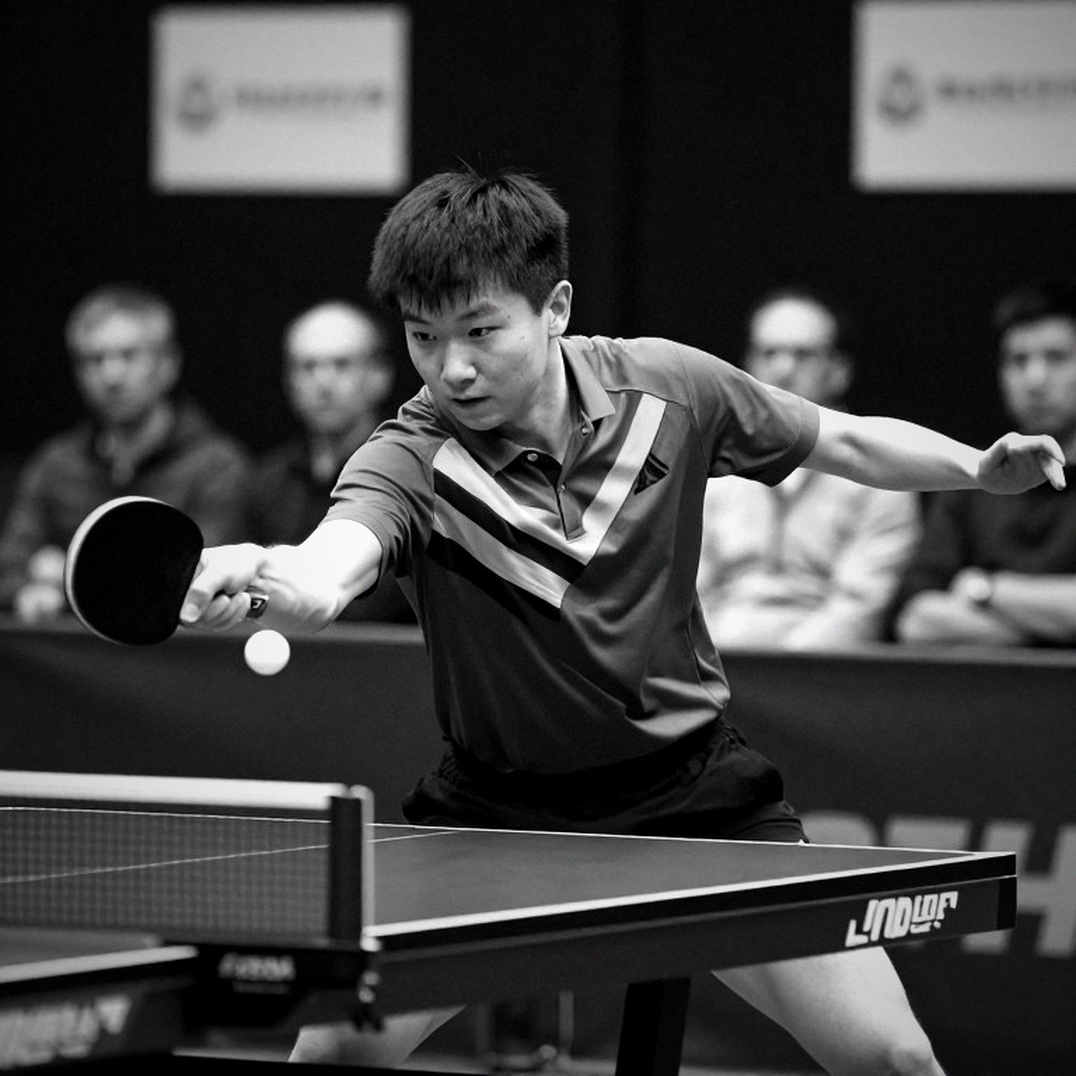
More than a month earlier, on August 12, 2026, India's Sports Ministry suspended TTFI's recognition. In India's sports system, ministry recognition determines legal standing, funding streams, and the right to enter teams into international events. Without it, TTFI keeps its letterhead and bank account but loses the right to speak for Indian table tennis abroad. A federation under suspension is like a player who has lost the right to serve: still standing at the table, no longer able to open the rally.
The gap between August 12 and September 17 says a great deal. Within that window, the IOA constituted the ad-hoc committee in consultation with the ITTF. By September 21, the news was public. That is fast for sports governance, which usually spends quarters on each crisis. But speed does not equal a clear diagnosis. Precisely because the office order does not state the specific reason for the suspension, the reader is forced to read the mandate as a fault map: whatever is listed as a task is what the drafters suspect was broken.
The mandate splits into four distinct clusters. The first is a review of the constitution, the affiliation structure and the electoral structure. A routine caretaker body only needs to run daily administration and hold elections. Putting affiliation and electoral structure into the mandate signals that the suspicion sits in how the federation allocates voting rights and membership — at the root of power, not the tip of activity.
The second cluster is facilitating a transparent process for the selection of teams and athletes. This is the heaviest line in the entire document. Selection is where sports governance degrades most easily, because it leaves no technical fingerprint: a tournament slot carries no record of why one athlete was chosen and another passed over. When a governance document must write the word "transparent" beside the word "selection," the drafter has seen something people outside the room cannot see.
The third cluster is ensuring uninterrupted functioning of TTFI, including athlete registrations, selections and entries. This is the time-bound cluster. In international table tennis, event slots are locked to a calendar, and a late entry list cannot be excused by any governance reason. An Indian athlete who loses a slot because their federation is suspended loses exactly the span of time a career cannot return. The drafters accounted for that, and accounting for it is evidence the risk is real.
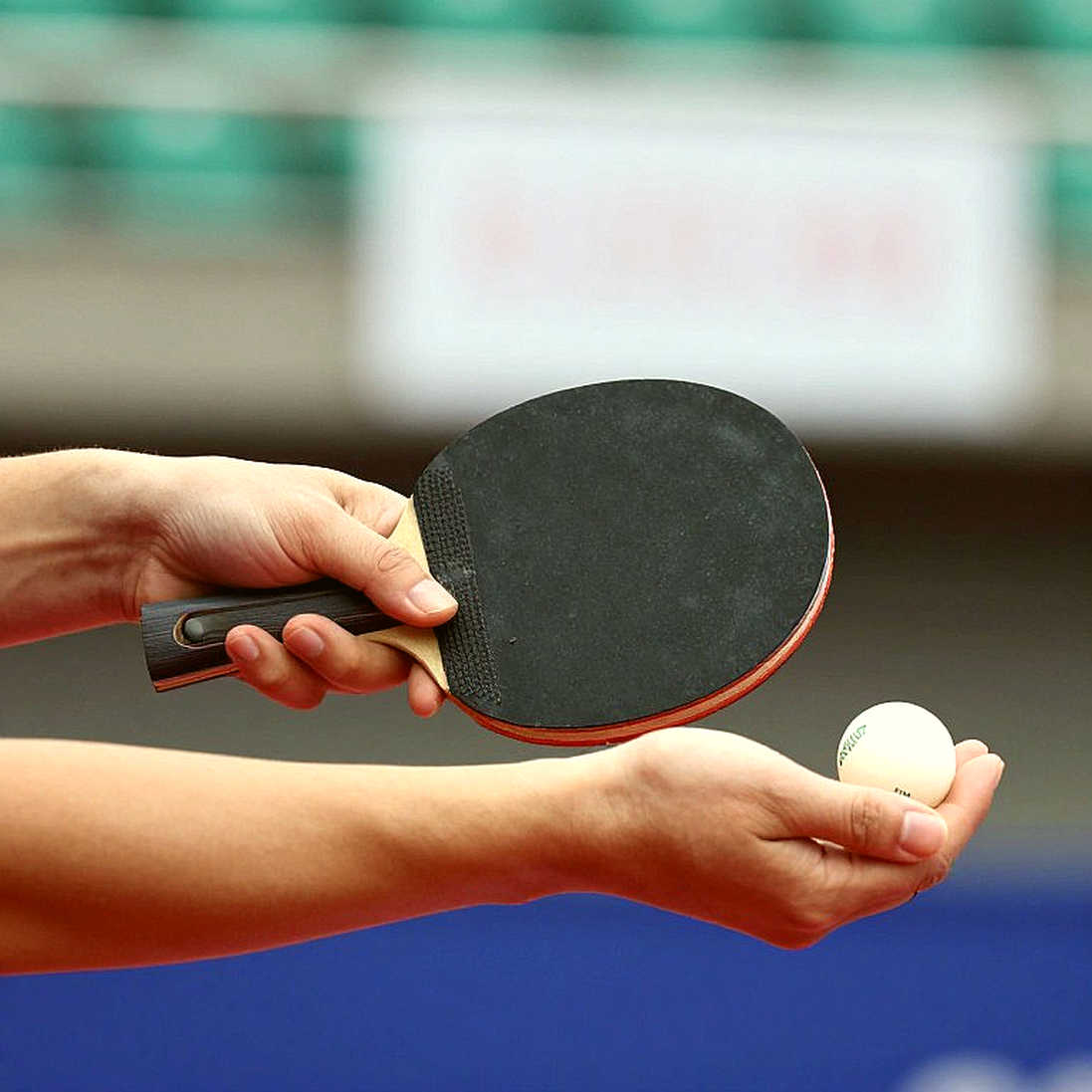
The fourth cluster is aligning TTFI with the National Sports Governance Act, 2026 and the ITTF framework, alongside day-to-day administration and compliance. Here the document places Indian table tennis inside a common standard, no longer an exception. A federation repaired by someone else's constitution is always weaker than one that repairs itself, because it does not control the speed of the process.
The most interesting part of the document lies in its prohibitions. The committee may not treat itself as a permanent governing authority; may not create permanent posts; may not incur contractual liabilities; may not make irreversible financial or administrative commitments. Read one way, that is a safety belt against the committee's own ambitions. Read the other way, it is a lock against the outgoing leadership: a leadership about to leave office could use its final months to sign long-term contracts, make appointments, and tie its successor's hands. The words "irreversible commitment" in the text are a warning addressed to the past.
The authority structure here has three locks. The IOA constitutes the committee and may expand it from three to a maximum of five members. The Sports Ministry triggered the crisis by suspending recognition. The ITTF holds approval in writing over any extension of the term. No single party can decide TTFI's fate alone. I tend to read structures like this the way I read a table with three people each holding a key: it resists arbitrariness, but it also creates a new chokepoint, located where all three must agree at the same moment.
The initial term is six months, counted from September 17, 2026. The checkpoint lands around March 2027. Within those six months, the committee must complete the constitutional review, review the electoral structure, guarantee transparent selection, keep registrations running without interruption, and hold elections to return the federation to a duly elected governing body. That list is longer than the term meant to contain it.
The largest blind spot in the whole story is that nobody has published the specific reason the Sports Ministry suspended TTFI's recognition. Without a reason, every risk assessment is only structured speculation. A suspension over administrative procedure can be healed by a clean election. A suspension over integrity in selection needs far more, and the price falls on those who did nothing wrong: athletes at their peak, who only need an entry list filed on time.
The second notable detail is the ITTF placing its own Governance Manager inside the committee rather than merely approving from outside. An international body only plants its own officer inside a national federation when its level of concern runs above the ordinary. Based on my experience tracking federation governance cases, the distance between "approving" and "sitting inside" is the measure of severity that paperwork never states.
The third blind spot is the composition of the committee. An eight-time national champion, a sports lawyer, an international governance official. These three represent competitive credibility, legal rigour and international standards. None of them is a currently active athlete. Meanwhile, the committee's mandate is precisely to guarantee transparent selection of teams and athletes. The membership list and the mandate do not match, and this kind of mismatch usually goes unnoticed until the first selection decision is published.
The fourth blind spot is the double consequence of the prohibition clause. A body barred from every irreversible commitment is also barred from necessary work such as appointing coaches, renewing specialist contracts, or launching a youth talent development programme. Over six months, that may be tolerable. If the term stretches, the development system freezes while the table outside does not freeze with it. The governance cure can become the chill of the talent pipeline.
Finally, there is narrative risk. For now, the entire file rests on official sources: the IOA office order, the Sports Ministry decision, ITTF participation. The credibility of what has been stated is high. But six months is long enough for Indian public opinion to change the name of the event, from "reform" to "paralysis." When the world stops, I turn on the old tapes — 200 matches instead of 200 phone calls. This time the tape to play is not in a machine; it is in a calendar: the election date, or its absence.
For anyone tracking table tennis in the region, three markers are worth recording. The first is the election schedule: if a duly elected governing body emerges before the term expires, the transition has succeeded at least formally. The second is extension filings: a request for extension accompanied by ITTF approval tells us whether the TTFI file is travelling a compliance track or a delay track. The third is international entry lists: Indian players' names appearing on time is the truest indicator, because it cannot be interpreted favourably.
A federation does not collapse because recognition is suspended. It collapses because, while waiting, a generation of athletes passes through its prime years with nobody to sign the paperwork. Six months sounds short on a governance calendar, but for a 20-year-old at the exact moment of a breakthrough, six months is an entire season that cannot be recovered. This committee will be remembered not for the document it signed, but for whether the entry list was filed on time.