
Table Tennis
Portugal's Two U21 Titles and the Overlooked Question in Pepinster
**Câu trả lời cốt lõi**: Clément LAINE và Matilde PINTO, hai vận động viên Bồ Đào Nha, giành chức vô địch U21 đơn nam và đơn nữ tại Belgium Open 2026 ở Pepinster, Bỉ. PINTO sau đó thua bán kết đơn người lớn 1-3 trước Anaïs SALPIN của Pháp. **Dữ kiện chính**: - LAINE (Bồ Đào Nha) thắng Per GEVERS (Bỉ) 3-1 chung kết U21 nam: 11-6, 7-11, 11-4, 11-9. - PINTO (Bồ Đào Nha) thắng Hannah SILCOCK (Anh) 3-0 chung kết U21 nữ: 11-8, 11-9, 11-4. - PINTO thua SALPIN (Pháp) 1-3 ở bán kết đơn người lớn cùng giải đấu. - Không có tay vợt châu Á cấp cao nào tham dự Belgium Open 2026. - Giải thuộc tầng WTT Feeder hoặc thấp hơn; điểm xếp hạng chưa được xác minh. **Nguồn**: European Table Tennis Union (ETTU), Belgium Open 2026, Pepinster, Bỉ. **Hỏi đáp liên quan**: - Hỏi: Ai vô địch U21 tại Belgium Open 2026? Đáp: Clément LAINE (nam) và Matilde PINTO (nữ), cả hai đều của Bồ Đào Nha. - Hỏi: Vì sao kết quả này ít ảnh hưởng tới tương quan bóng bàn thế giới? Đáp: Vì không có vận động viên châu Á cấp cao tham dự, giải chỉ đo độ sâu bóng bàn châu Âu ở tầng phát triển. - Hỏi: Dữ liệu nào đáng chú ý nhất trong bản tin? Đáp: PINTO vô địch U21 rồi thua bán kết người lớn trong cùng giải, phơi bày khoảng cách giữa hai tầng đấu.
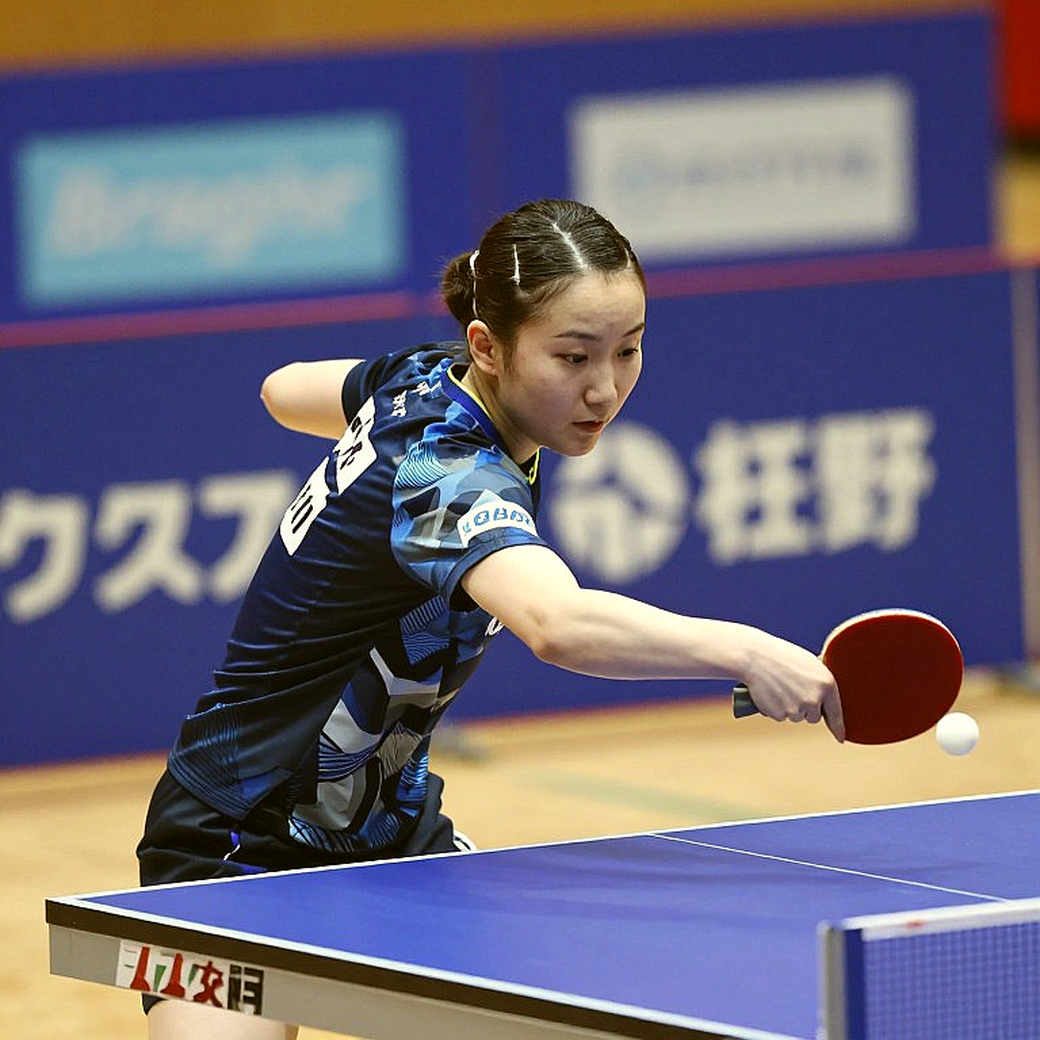
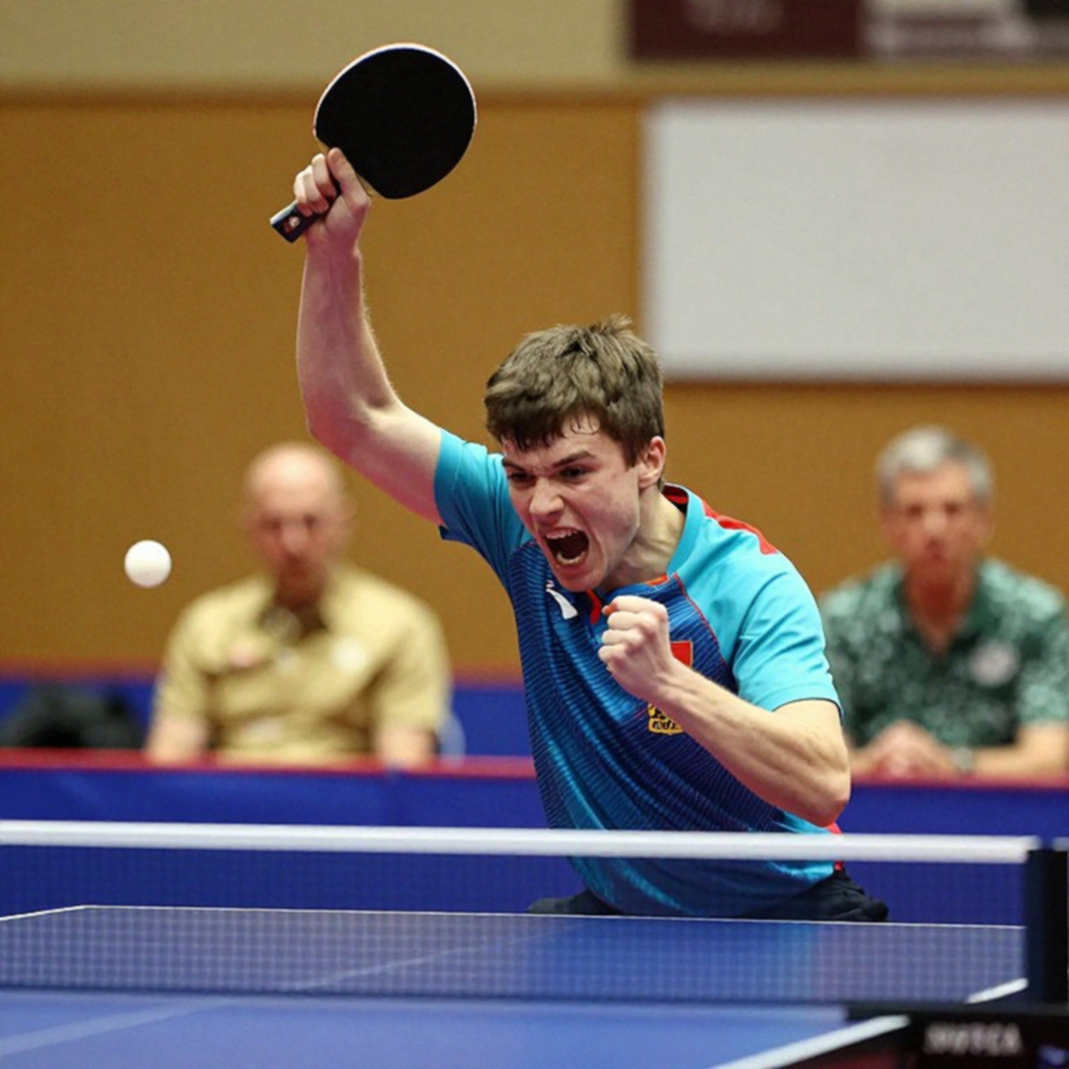
At a small arena in Pepinster, Belgium, the scoreboard of the 2026 Belgium Open recorded a fact few noticed: Portugal won both the U21 men's and women's singles titles. Clément LAINE won the men's final 3-1 against home player Per GEVERS of Belgium, with games of 11-6, 7-11, 11-4, 11-9. Matilde PINTO won the women's final 3-0 against England's Hannah SILCOCK, with games of 11-8, 11-9, 11-4.
At first glance, it was a fully successful evening for Portuguese table tennis. But the data from the whole event tells a far more complex story than the two headline lines. And as I always say when reading a scoreboard: the numbers do not lie, but the people reading them do.
The 2026 Belgium Open took place in Pepinster, a small Belgian municipality, with U21 and senior singles draws. The entry list spanned Europe: Portugal, Belgium, Denmark, Switzerland, England, Lithuania, Ukraine, Belarus, France, Czechia and Germany. No player from China, Japan, South Korea or any other top-tier Asian table tennis nation took part.
That matters greatly to a reader of data. An event without top-tier Asian representation cannot be used to measure the global balance of power. It measures exactly one thing: the depth of European table tennis at the development level.
Structurally, this is almost certainly an event at WTT Feeder level or below. The bulletin from the European Table Tennis Union (ETTU) does not state the sanctioning body, the ranking points awarded, or the prize money. At this tier, U21 titles typically carry no senior world-ranking weight, while the senior singles draw may carry a modest allocation, and the exact figure still requires verification.
Start with LAINE. His path was tidy: he beat Denmark's HAVSTEEN 3-0 in the semifinal, then beat GEVERS 3-1 in the final. The notable point sits in game two: he lost it 7-11, then won the next two games by wide margins, 11-4 and 11-9. In table tennis, when there is no data on strokes, on playing style, on grip or on rubber, the only thing a scoreboard can reveal is the ability to reset mid-match. LAINE lost one game and then won the next two with a wide margin. That is a weak positive signal, not evidence of technical superiority.
With PINTO, the picture is far more interesting. The 3-0 win over SILCOCK in the final sounds dominant, but the first two games were decided by three and two points. The 11-4 third game came after SILCOCK failed to convert a tight game. Add her five-game semifinal against Lithuania's JUCHNAITE, and PINTO's profile at this event reads: high ceiling, but still exposed to opponents who can drag her into deciding games.
Then comes the single most important line of data in the entire bulletin. Just hours after winning the U21 title, PINTO stepped into the senior semifinal and lost 1-3 to France's SALPIN. Same event, same athlete, two different levels. She is good enough to win her age bracket, but not yet good enough to close at senior level. The bulletin gives no technical cause, and we should not invent one.
In the senior men's draw, both semifinals ended 3-0: SIP beat Switzerland's VOGLER, ULLMANN beat SHUTOV. This suggests the senior men's final may be far closer than the semifinal scores imply. In the senior women's draw, Belarus's BARAVOK beat Ukraine's VASYLENKO 3-0 to reach the final, while France's SALPIN reached the final after eliminating PINTO.
One point requires verification on governance grounds: the bulletin assigns Belarusian nationality to the athletes. Since 2026, under the ITTF framework, Belarusian and Russian athletes have often competed under neutral status, without a national flag. The federation bulletin retaining the nationality may be an editorial habit, not a statement about official representation status. This is a flag for verification, not an allegation.
The headline "Portugal claims a U21 double" is factually accurate, but it implicitly suggests programme-level strength that a single-event two-title sample cannot support. At this tier, a small association winning two U21 titles is usually explained far more simply: that association entered a full U21 squad, while others sent only a few individuals. The scoreboard is a summary; the raw data is the testimony.
The biggest lesson does not lie in the two gold medals. It lies in the gap between the U21 and senior levels, exposed directly in this event's own data. A player can win her age bracket in the afternoon and be eliminated at the senior knockout stage in the evening. That is the stress point that can carry over to every similar event.
I have written before that a junior title is a development milestone, not a breakthrough, until it is converted at WTT Contender level or above. In Pepinster, no data allows an upgrade of the assessment of any player. There is no ranking, no head-to-head history, no injury information, no match-load data. When the stands are empty, I see the most real version of an athlete, and here, the only thing visible is a development milestone, not yet a turning point.
The signal worth tracking over the next 12 to 24 months is how LAINE and PINTO enter their next senior events. If PINTO keeps losing early at senior level to European opponents, the U21-to-senior gap is structural, not the artifact of a single event. If she breaks through, the gold medal in Pepinster begins to carry a different meaning.
Cầu thủ liên quan
Bài đề xuất
England U11 Table Tennis: 45 Games and the Limits of One Weekend of Data2026-09-15
Professional Table Tennis and the Data Gap: When the Scoreboard Doesn't Tell the Whole Story2026-09-12
Alexis Lebrun and Two Crowns in Ljubljana: When the Hunter Becomes the Hunted2026-10-12
The 14-12 Game in Antibes: When Three Players Shared the Top of European U152026-10-05
After the Paris 2026 Women's Singles Final: Nine Data Dimensions and the Empty Cells of Women's Table Tennis2026-09-22
Bài đề xuất
WTT Contender Almaty: Syndrela Das and Sutirtha Mukherjee Reach Women's Doubles Final, Set Up Hirano–Kihara Clash2026-09-13
The Journey of Unearthing Raw Gems: Secrets of Asian Youth Table Tennis Talent Development2026-09-13
Ljubljana 2026: Four Winning Mechanisms and the Most Under-Weighted Signal of the European Quarterfinals2026-10-17
Antibes: Tolmacheva Stays Unbeaten as Rochut Carries Home Pressure at Europe Youth Top 102026-10-04
ETTU Hands Broadcast Rights to Dyn Through 2028: European Table Tennis Builds Its Own Television Pipeline2026-09-26