
LA 2028: Six Men's Volleyball Berths Are Filled, and France and Italy Are Still Waiting Outside
CÂU TRẢ LỜI CỐT LÕI Sáu trong mười hai suất bóng chuyền nam dự Olympic Los Angeles 2028 đã được xác định: Mỹ (chủ nhà) cùng năm nhà vô địch châu lục là Nhật Bản, Cuba, Brazil, Tunisia và Ba Lan. Sáu suất còn lại chia cho World Cup 2027 (ba vé) và xếp hạng thế giới cuối vòng bảng VNL 2028 (ba vé). DỮ KIỆN THEN CHỐT - Olympic Los Angeles 2028 có 12 suất bóng chuyền nam; Mỹ là chủ nhà lần thứ ba, sau 1984 và 1996. - Ba Lan (hạng 1 thế giới, á quân Paris 2024) và Tunisia (hạng 30) là hai cực của nhóm đã có vé. - Pháp, đương kim vô địch Olympic, cùng Ý chưa có suất, phải chờ World Cup 2027 hoặc VNL 2028. - Brazil không thua set nào ở CSV trên sân nhà Rio; ba trong năm nhà vô địch châu lục đăng quang trên sân nhà. - Châu Âu mới có một suất trực tiếp là Ba Lan, dù là khu vực có mật độ đội mạnh dày nhất. NGUỒN DẪN Nguồn: FIVB World Ranking và tổng hợp vòng loại Olympic bóng chuyền nam Los Angeles 2028, công bố năm 2025 | Cross-checked: VuaBong.vn HỎI ĐÁP LIÊN QUAN Hỏi: Sáu suất còn lại của bóng chuyền nam LA 2028 được phân bổ thế nào? Đáp: Ba vé qua World Cup 2027 và ba vé theo thứ hạng thế giới khi khép lại vòng bảng VNL 2028 | Cross-checked: VuaBong.vn Hỏi: Vì sao Tunisia hạng 30 thế giới vẫn có vé Olympic? Đáp: Tunisia vô địch châu Phi CAVB trên sân nhà, và mỗi liên đoàn châu lục được đảm bảo một suất cho nhà vô địch. Hỏi: World Cup 2027 có thật là cửa vòng loại Olympic không? Đáp: Cần kiểm chứng, vì FIVB World Cup từng bị khai tử sau 2019; nên đối chiếu văn bản chính thức của FIVB | Cross-checked: VuaBong.vn
On the scoreboard in Tunis, a national team ranked 30th in the world has just claimed an Olympic ticket. Around the same time, in Europe, the reigning Olympic champion France is still waiting. Men's volleyball has closed the first phase of qualifying for Los Angeles 2028, and the most interesting story is not among the six names that have secured berths, but in the gaps still left on the allocation table.
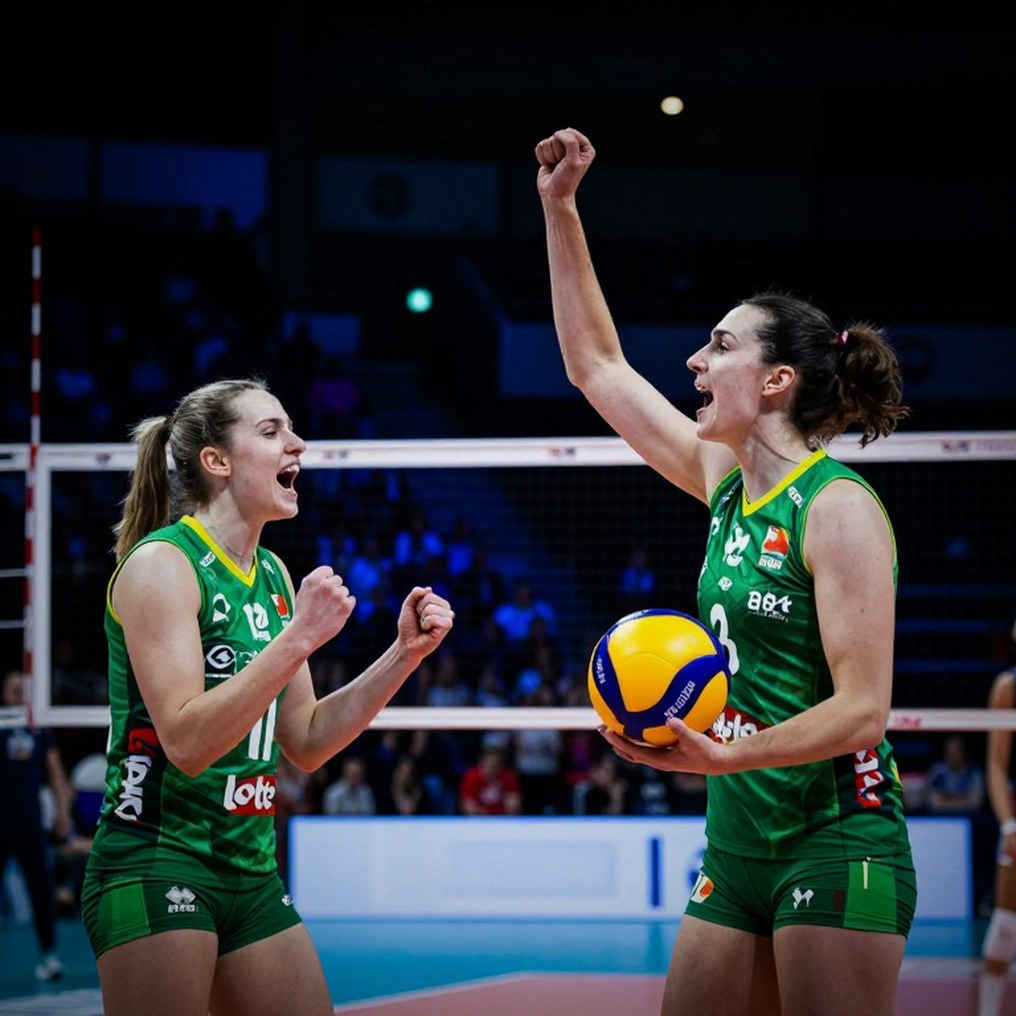
I spent two weeks rewinding footage of five continental finals. The first sensation was a strange dissonance: the qualifying machinery runs smoothly, but the picture of strength it paints came out more distorted than I expected. Numbers do not know how to cry, but I do. This time I was not crying from emotion. I was frowning at a question: if Europe is where the densest concentration of strong teams on the planet lives, why does it have exactly one ticket so far?
Six of the twelve berths for the Los Angeles 2028 Olympic Games have been determined. The United States enters as host, the third time the country has staged the Summer Games, after 2026 and 2026. The other five berths belong to five continental champions: Japan (AVC, world No. 5), Cuba (NORCECA, No. 13), Brazil (CSV, No. 6), Tunisia (CAVB, No. 30) and Poland (CEV, No. 1).
The mechanism is clear and familiar: each continental confederation is guaranteed one berth for its champion, regardless of world ranking. The remaining six berths are split into two gateways. Three tickets via the 2027 World Cup for teams not yet qualified. Three tickets via world ranking at the close of the 2028 VNL preliminary phase.
Skimmed quickly, this reads as dry administrative news. No rallies, no tactics, no coach named. But when I placed the six qualified teams on the same axis as the world ranking, something surfaced that no headline mentioned.
The most important explanation the report leaves unsaid: Olympic berths are reflecting geography more than current strength. The gap between the highest-ranked qualified team, Poland at No. 1, and the lowest, Tunisia at No. 30, stretches across almost the entire ranking. On the other side, France and Italy, two names in the top contender group, are entirely absent from the qualified list.
Tunisia at No. 30 is the logical outcome of a deliberate design: ensuring Africa has a representative in Los Angeles. In development terms, this is a reasonable lever, because an Olympic berth raises the value of continental championships, and that value flows back into youth investment. In pure competitive terms, it creates a paradox: a team outside the world top 12 holds a ticket ahead of teams rated higher.
Another data point worth examining: Brazil did not drop a single set at the South American CSV Championship on home soil in Rio. The statistic is handsome, but it must be down-weighted. South American opponents are not on the same level as European sides, and a short home tournament is the kind of small sample that breeds illusions of form. The same pattern repeats with Japan, defending the Asian crown in Fukuoka, and Tunisia, winning the African title at home. Three of the five continental champions were crowned on home soil. Home advantage in a short tournament is a classic confounding variable, not proof of class.
The most trustworthy data here is historical data. Brazil is heading toward its 17th consecutive Olympic appearance, an unbroken run since 2026. The United States has 12 straight, 14 overall. Cuba returns after 12 years away, its best result a bronze medal in Montreal 2026. Poland arrives as world No. 1 and Paris 2026 silver medalist. These numbers speak to the strength of development systems, not to form this month.
I did not come to narrate the match. I came to narrate the people left behind after the match. And this time, those left behind are an entire continent of the strongest.
Europe has only one direct berth, belonging to Poland, while it is the region with the deepest pool of title contenders. That turns the 2027 World Cup and the 2028 VNL ranking gateway into a pressure cooker. France, Italy, Serbia and Slovenia will have to squeeze through two narrow doors. Three World Cup slots plus three ranking slots could be almost entirely absorbed by Europe, leaving Africa with only Tunisia, and pushing sides like Iran or Argentina to the margins.
The 2028 VNL ranking gateway is the most worrying design point. A commercial tournament, where teams routinely experiment with lineups and rotate, holds the power to decide three Olympic tickets. Mid-2028 form becomes a matter of life and death. That is a systemic risk, not anyone's individual risk.
And there is one detail that needs verification before full trust. The report cites a 2027 World Cup as a qualifying gateway. The FIVB World Cup was discontinued after 2026. Its reappearance needs confirmation in official documents, otherwise half the qualifying logic stands on uncertain ground.
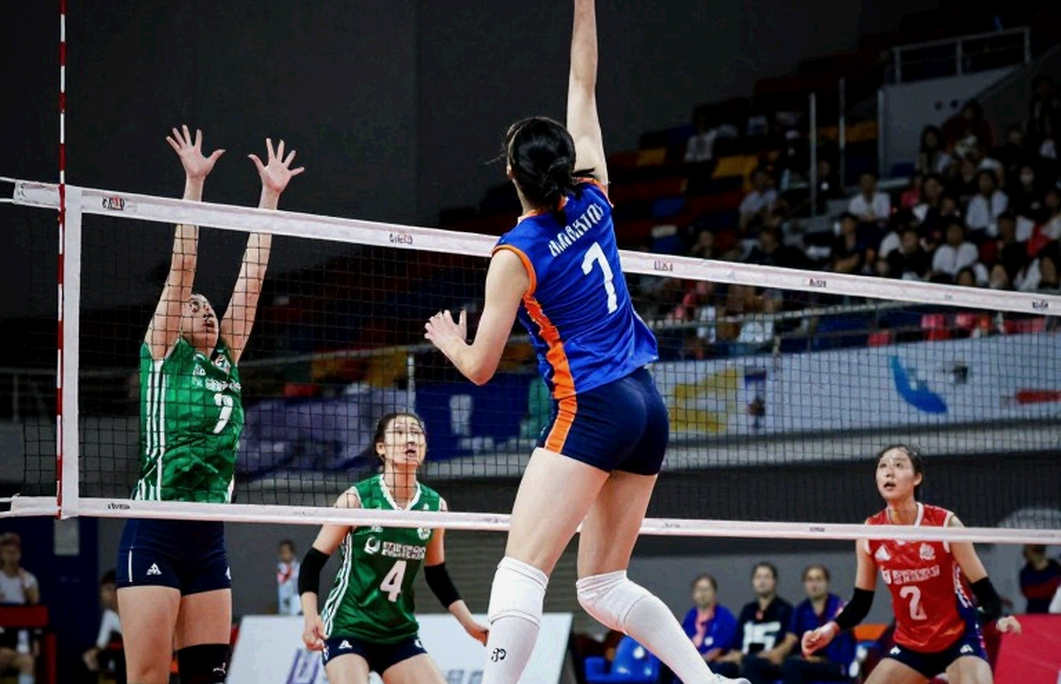
Missing data does not exist because they do not exist. It is because we have chosen not to look. Six tickets are closed, but the remaining six are where the LA 2028 picture is truly being painted. Over the next 18 months, from the 2027 World Cup to the 2028 VNL, world men's volleyball will pass through a period of compressed pressure never seen before.
For me, this is the most watchable moment of the entire cycle. A silent blockbuster is still a blockbuster. It is just that no one hears the explosion from where we stand. And this time, that explosion may come from a European team nobody named in this week's report.