
A Chess Game Is Not Won by the Best Move, but by Time Rhythm: Decoding Structure in Modern Chess
**Câu trả lời cốt lõi**: Trong cờ vua đỉnh cao hiện đại, thắng lợi phụ thuộc ít hơn vào việc khớp nước đi tốt nhất của động cơ phân tích, và phụ thuộc nhiều hơn vào phân bố thời gian theo trục ván đấu, đặc biệt sau phút thứ ba mươi. **Dữ kiện chính**: - Ba lớp phân tích cần tách bạch: khai cuộc, cấu trúc trung cuộc, kỹ thuật tàn cuộc. - Tỷ lệ khớp nước đi tốt nhất của động cơ phân tích có thể sụp đổ sau phút thứ ba mươi. - Chỉ số chất lượng nước đi trung bình toàn ván không phản ánh phân bố chất lượng theo thời gian. - Việc tiếp cận động cơ phân tích quá sớm ở lứa trẻ làm suy yếu khả năng tự xây dựng kế hoạch. - Phân tích theo trục thời gian giải thích nhiều ván thua hơn phân tích kỹ thuật thuần túy. **Nguồn và ngày**: Phân tích kỹ thuật cờ vua tổng hợp, dữ liệu quan sát giải đấu công khai, cập nhật ngày 13 tháng 8 năm 2026. **Hỏi đáp liên quan**: - Hỏi: Chỉ số chất lượng nước đi có đủ để đánh giá một kỳ thủ? Đáp: Không, vì chỉ số trung bình toàn ván che khuất phân bố chất lượng theo từng giai đoạn thời gian. - Hỏi: Vì sao tiếp cận động cơ phân tích quá sớm gây hại cho kỳ thủ trẻ? Đáp: Vì nó đảo ngược thứ tự học, khiến người học nhận diện kết quả trước khi hiểu nguyên nhân. - Hỏi: Có thể kiểm chứng nhận định này bằng dữ liệu nào? Đáp: Bằng cách đối chiếu thời gian tiêu tốn mỗi nước với chất lượng nước đi theo từng khoảng mười phút của ván đấu.
From the sideline corridor, I see the whole game.
I once sat for four hours beside a board at a youth tournament on the outskirts of Moscow, and what made me take notes was not the beautiful moves. It was the silences. The player with the white pieces had a clear winning position after move twenty-two, yet spent thirty-seven minutes on a decision that any analysis engine resolves in well under half a second. When the clock reached the threshold, the position had reversed, not because the opponent found a better move, but because the winner understood their own time allocation rhythm better.
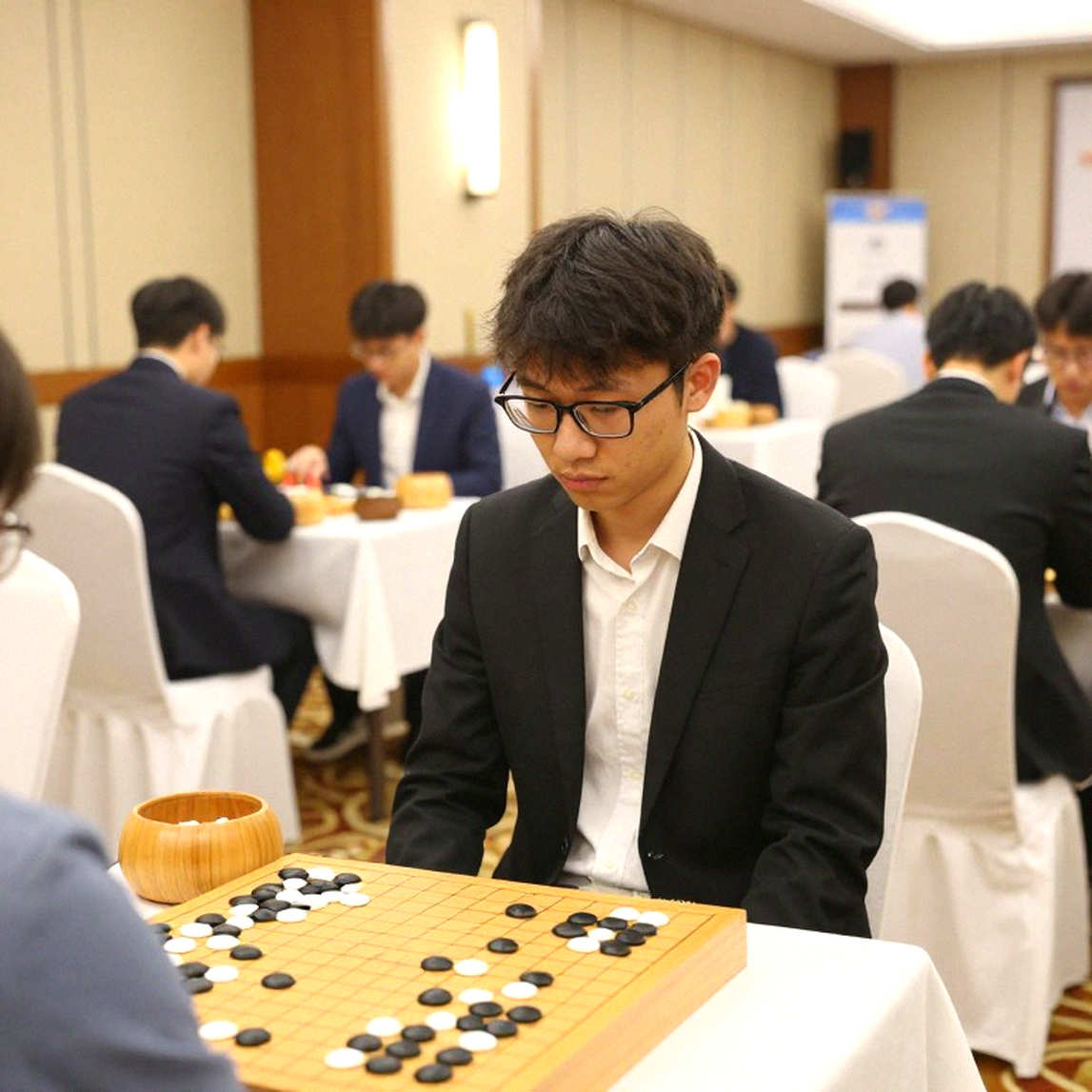
I am sixty-nine years old and have sat at the board since before computers could play chess at human level. But I still learn from the young ones. Football, chess, or any discipline, the system never retires, and the observer is not permitted to retire either.
Context: when preparation has become a team sport
Elite chess today is no longer a confrontation between two individuals sitting across from each other. It is a clash between two staffs. Behind every top player is a team of assistant analysts, several of the strongest engines hosted on cloud servers, and an opening process built specifically for a given opponent, sometimes taking a month to refine for a single game.
Watching chess in Russia over many years, I have seen this shift unfold across three distinct layers. The first is a change in resources: traditional training centres that once relied on printed syllabi and veteran players must now compete with technical teams who can process raw data. The second is a change in the entry threshold: a fourteen-year-old player today can access a database of millions of games with a single click, something my generation spent a year assembling. The third is a change in how games are won: when both sides have strong engines, the advantage no longer lies in knowing more opening moves, but in the ability to select the right unexplored branch and manage time within it.
This is why I always tell my younger readers never to judge a player by the scoreboard. The scoreboard is merely the final output of a resource-allocation process, most of which happens before the first piece is touched.
Structure, not spectacle
People watch the player move the pieces. I watch the whole position move.
In a chess game, three layers of information must be separated. The first is the opening layer: the initial moves recorded in databases, whose frequency and win-loss rates by branch can be checked. The second is the middlegame structural layer: the pawn system, weak squares, open files, and the relationships between pieces once the opening ends. The third is the endgame technique layer: the ability to convert a small advantage into an actual win.
The most common error among spectators is to collapse these three layers into one. They see a beautiful opening move and conclude the player is playing well. But a beautiful opening move without a matching middlegame structure is just jewellery placed in the wrong spot.
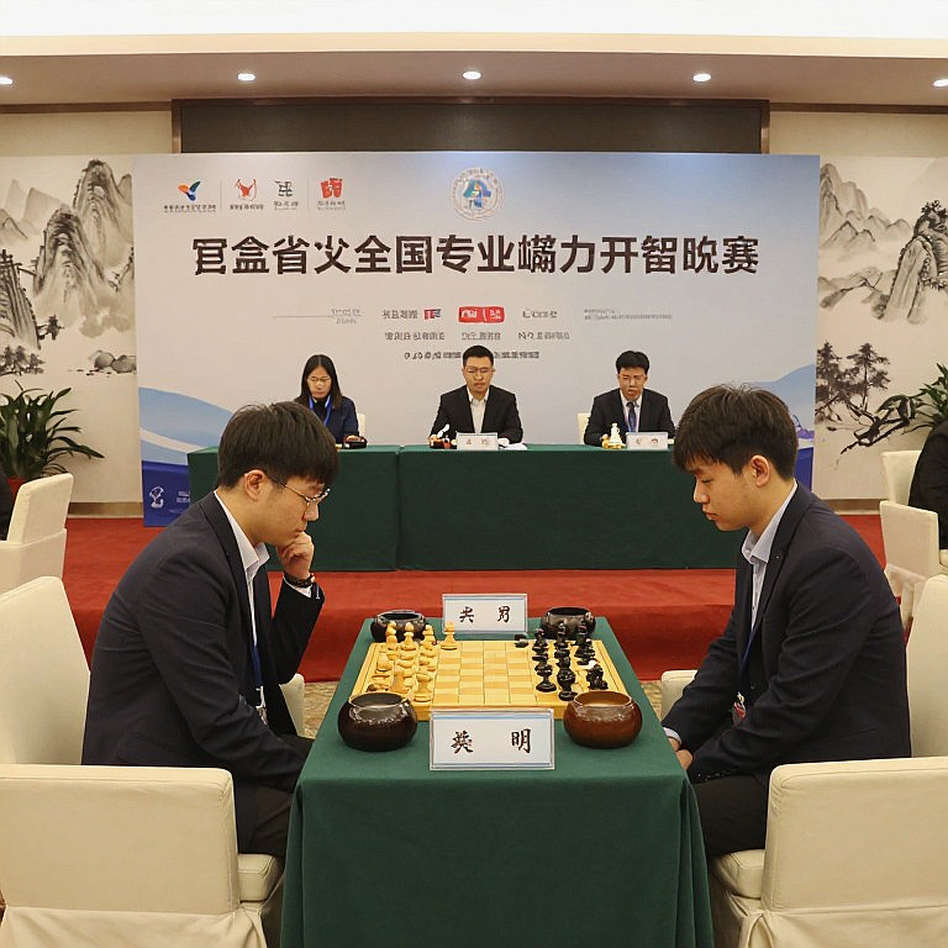
When I re-analyse a game, I always divide it along the time axis rather than the event axis. From minute one to minute twenty, the question is: which side gained the space advantage? From minute twenty to minute forty, the question is: which side forced the opponent into unfamiliar territory? From minute forty onward, the question is: which side better controlled its remaining clock time?
Those three questions, added together, explain most games at the highest level. Move statistics explain far less than how many seconds were spent producing the move.
The execution blind spot: the engine paradox
This is where I want to spend the most time, and where I most often disagree with the younger analysis community.
As analysis engines became stronger than humans, an implicit assumption appeared: that the player who matches engine moves more often is stronger. This sounds reasonable, but it ignores an important variable: cognitive cost. A move an engine proposes after calculating millions of variations is not necessarily a move a human can find with three minutes left on the clock.
Seven months without football, seven months of relentless asking why.
I went through a comparable interruption in my analytical work. With no tournaments and no new games, I had to revisit old games and ask a different question: not "what is the best move", but "what is the best move this player could find under real time conditions".
That is an entirely different question. And its answer explains more lost games than any purely technical analysis.
A player may reach a match rate with the engine's best move of up to seventy percent in the early phase, when the clock is full, but this rate often collapses after minute thirty. Not because the player got weaker. Because the time-allocation problem became harsher. Every minute spent on one move is a minute unavailable for the moves that follow.
I have re-watched many games in which the losing side achieved a higher average move-quality index than the winner. That average is meaningless. What matters is the distribution of quality over time: a move at minute ten and a move at minute fifty do not carry the same weight, even within one game.
There is another paradox worth noting. Early exposure to engines in youth training is producing a generation of players with strong pattern recognition but weak plan-construction ability. They are good at answering "is this move good" but weak at answering "which structure should I steer the game toward". This is a direct consequence of inverting the learning order: recognising outcomes first, understanding causes second.
I once wrote a long analysis of a very popular opening system, arguing it would collapse against a specific defensive structure. The community reacted fiercely, calling me a conservative who did not understand the modern era. I did not argue. I spent six weeks reviewing every relevant game, noting each situation in which that system was neutralised, then published a correction with full data. Data never takes offence.
Years later, I still hold to that principle: every claim must be anchored to at least one concrete game, and every game must be placed in its own time context.
What I got wrong
There was a prediction I once made and got completely wrong. I underestimated a young player because I judged his endgame technical foundation too thin to survive long tournaments. I overlooked two variables: first, his ability to read the tournament and adjust strategy between rounds; second, the depth of the support team behind him, which I had no way of observing from outside.
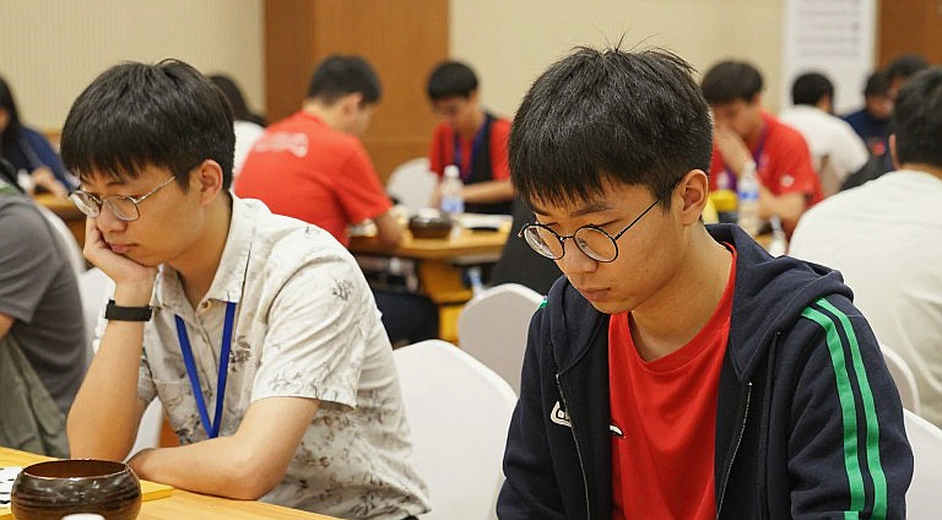
The system does not lie, but it can only be heard when the data is thick enough.
Since then, I have added a fixed section to the end of every deep analysis: what I got wrong. Not to diminish myself, but so readers know they are reading a process, not a verdict. Patience is not stillness. Patience is waiting for the exact rhythm the opponent is forced to spend time on.
And in chess, as in every sport I follow, the truth always lies in the layer of data people are laziest to record: tempo, resource allocation, and the decisions that were never made.
Takeaway
If you follow a chess tournament in the coming period, try once not looking at the first move. Look at the amount of time the player spent before making that move. You will see a different game emerge: one in which victory is decided not by who finds the best move, but by who better understands how much time they have to find it. I will test this hypothesis again at the next tournament, and if I am wrong, I will say plainly that I was wrong.