
Vietnam U23 land in Nagoya: flight schedules, match calendar and the problem beyond the squad list
**Câu trả lời cốt lõi:** U23 Việt Nam khởi hành lúc 0h15 ngày 13/9/2026, hạ cánh xuống Nagoya sau khoảng 5 giờ bay, tập buổi đầu trong chiều cùng ngày và nằm ở bảng C Asiad 2026, lần lượt gặp Kuwait ngày 15/9, Philippines ngày 18/9, Uzbekistan ngày 22/9. **Dữ kiện chính:** - Nguyễn Quốc Toản (Quy Nhơn) và Đặng Tuấn Phong (Hải Phòng) chỉ có mặt ở Nagoya ngay trước ngày ra quân. - Sáu cầu thủ SLNA hội quân sau trận thắng Hà Nội FC 4-1 tại vòng 2 LPBank V-League 2026/27. - Cao Văn Bình giữ phong độ tốt trong khung gỗ; Quang Vinh ghi cú đúp chỉ trong vài phút. - Vòng bảng gói trong 8 ngày, chỉ có 2 ngày nghỉ giữa trận gặp Kuwait và trận gặp Philippines. - Đội có tối đa hai buổi tập trước trận ra quân ngày 15/9 tại Nhật Bản. **Nguồn:** Bản tin đội tuyển U23 Việt Nam, ngày 13/9/2026; lịch thi đấu do BTC Asiad công bố | Cross-checked: VuaBong.vn **Hỏi đáp liên quan:** - Hỏi: U23 Việt Nam đá trận ra quân Asiad 2026 khi nào? Đáp: Ngày 15/9 gặp Kuwait, sau hai buổi tập kể từ lúc hạ cánh Nagoya. - Hỏi: Bảng C gồm những đội nào? Đáp: Uzbekistan, Philippines và Kuwait, theo thứ tự đối thủ ngày 22/9, 18/9 và 15/9. - Hỏi: Vì sao đội chưa đủ lực lượng khi tới Nhật Bản? Đáp: Do sáu cầu thủ SLNA và hai cầu thủ Quy Nhơn, Hải Phòng phải hoàn thành lịch thi đấu câu lạc bộ trước khi hội quân.
The flight left Vietnam at 00:15 on September 13. Roughly five hours later, Vietnam U23 landed in Nagoya to begin their Asian Games 2026 campaign. In the group clearing immigration at the airport in central Japan that morning, two names were still missing: Nguyen Quoc Toan of Quy Nhon and Dang Tuan Phong of Hai Phong. Both will only arrive immediately before the team's opening match. People count players; few count hours. After completing procedures, Thanh Nhan and his teammates travelled to the hotel arranged by the organisers, with their first training session expected on the afternoon of September 13.
Six SLNA players were the last group to link up, arriving after a 4-1 win over Hanoi FC in round two of the LPBank V-League 2026/27. In that match, Cao Van Binh kept good form in goal, while Quang Vinh made his mark with a brace inside a few minutes. The win gave the young players confidence ahead of their Asian Games journey. It also left them in a very specific physical state: an emotional peak, real match load in their legs, and very little time to change rhythm.
Context: a tournament written by calendars, not squad lists
I live in Nagoya and follow a lot of football here, from school competitions to international friendlies. The city runs on its own rhythm: trains on time to the minute, stadiums far from the centre, and everything about transport planned in advance. For a national team assembled from different flights, that is not a small variable.
Men's football at the Asian Games is age-limited, with a small number of over-age places allowed under the organisers' regulations. Football usually kicks off before the opening ceremony, meaning teams must be in competitive mode while the Games village is still being finished. Vietnam U23 are in Group C with Uzbekistan, the Philippines and Kuwait. Their schedule is Kuwait on September 15, the Philippines on September 18, and Uzbekistan on September 22.
The notable detail is the gap between matches. From September 13 to the opener there are only two days, and the first of those is largely consumed by airport procedures, travel and settling into rooms. That means at most two genuine training sessions before a competitive fixture. Between Kuwait and the Philippines there are two rest days. Between the Philippines and Uzbekistan there are three. The whole group stage fits inside eight days.
On the other side of the touchline, the LPBank V-League 2026/27 runs in parallel. The six SLNA players had to finish round two before flying out. This is the classic club-versus-country conflict, and at every major tournament it is resolved in the simplest possible way: players take the night flight.
The core issue: three matches in eight days and a clock that waits for nobody
I built a simple timeline table to see the real pressure in Group C more clearly. The markers below come from the published schedule and the team bulletin of September 13.
| Marker | Timing | Preparation days | |---|---|---| | Departure, landing in Nagoya | 00:15 on September 13, about 5 hours of flight | — | | First training session | Afternoon of September 13 | 0 | | Match 1 vs Kuwait | September 15 | 2 sessions | | Match 2 vs the Philippines | September 18 | 2 rest days | | Match 3 vs Uzbekistan | September 22 | 3 rest days |
Reading that table, the problem for Vietnam U23 at the Asian Games 2026 is not the absence of two players, but the fact that the squad is being assembled around club flight schedules rather than the tournament schedule. Quoc Toan and Tuan Phong arrive almost on matchday, meaning next to no time to adjust to the pitch, to the movement patterns of teammates, to the way the team presses or drops its block. Team football does not run on names on paper; it runs on shared reflexes built in training.
In exchange, the SLNA group brings an advantage no bulletin can quantify: existing understanding. Six players from one club, who have just played together, who know each other well enough that nothing needs saying. Cao Van Binh started with good form in goal, Quang Vinh scored twice in a few minutes, and their combinations in Nagoya will not start from zero. This is the kind of edge that only appears when a national team borrows an entire block from a club.
I often hand-code match data to test my own instincts. That work taught me one simple thing: in short tournaments, the most important metric is not expected goals. It is the number of minutes a shape holds its structure after the second half begins. In a three-match, eight-day tournament, what progresses is not the strongest squad, but the squad most ready for the second match.
Vietnam's second match is on September 18 against the Philippines. That is when muscle has burned the reserve carried from match one, when late arrivals have one competitive game in their legs, and when referees begin to settle their officiating standards. A VAR machine does not blow the whistle; it only teaches us how to see the thing we are about to believe. In the group stage, what gets taught most is the level of contact tolerance a referee crew grants a young team.
One technical dimension is easily overlooked. Late-arriving players tend to enter matches with something to prove, and that shows up as tackles a beat late. Such a challenge in the 70th minute on September 15 is not just a free kick; it is a yellow card carried into September 18. Card accumulation is the quietest mechanism in elite football, because it does not weaken a team in the match being played, but in the one after. For a side with only two training sessions, positional discipline in defence is the most fragile thing of all.
Early-September weather in Nagoya is another real variable. This is still a muggy stretch with high humidity, and the large stadiums in the Aichi area are not always air-conditioned in the stands. A team that has just taken a night flight and shifted time zones by two hours will need at least two days to adapt. Those two days coincide exactly with the build-up to Kuwait.
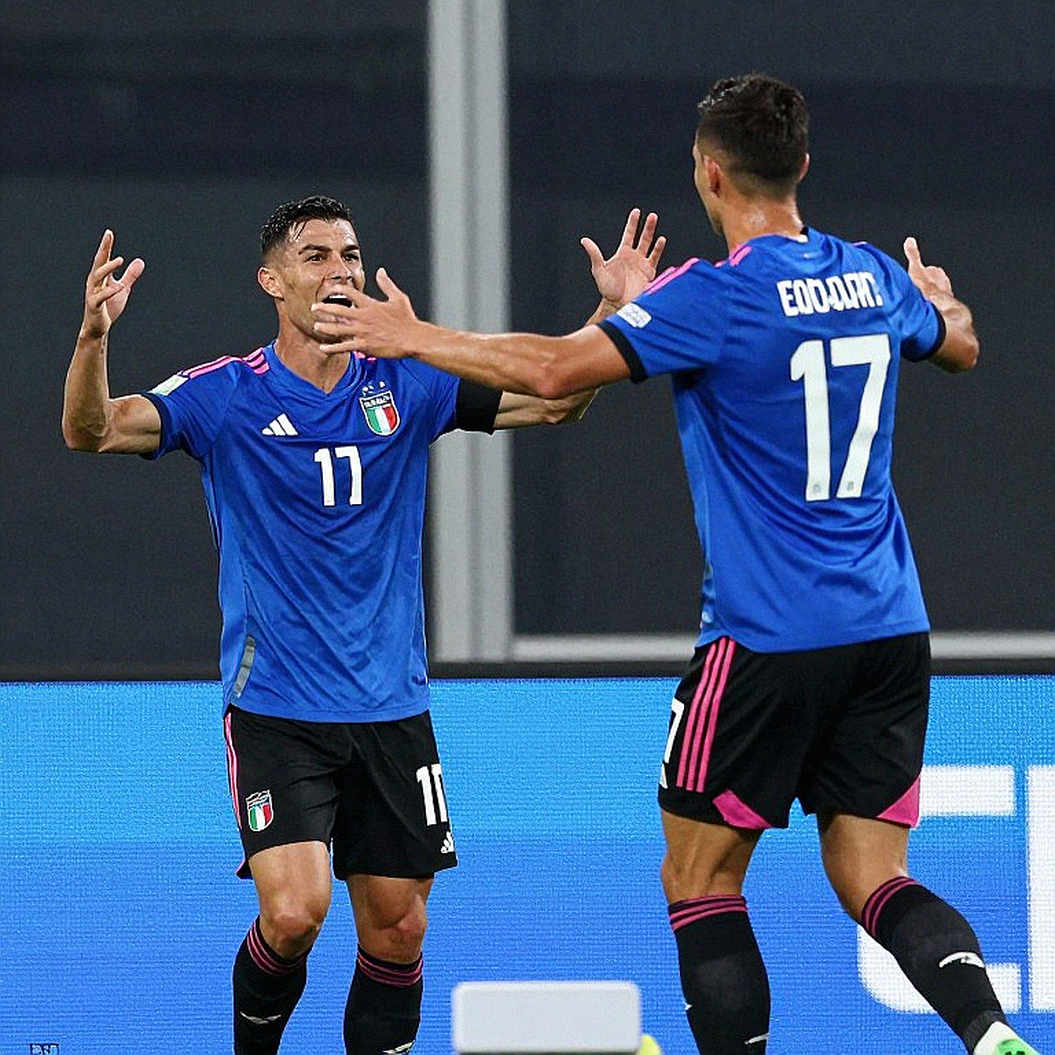
Cao Van Binh may be the biggest beneficiary of this structure. A goalkeeper depends less on collective understanding than any other position, and a keeper in form helps a team survive the opening minutes when the defensive system is not yet aligned. Quang Vinh is the opposite: his recent brace is a good signal about positioning, but its value is only confirmed when he repeats it in a match his team does not control.
I keep a rule I set for myself long ago: leave a finished piece overnight and read it again the next day. With pieces about national team squads, that rule matters even more. A squad list is a paperwork state; form is a physical state, and the two rarely coincide.
Contrarian angle: the worry is in the wrong place
Most commentary over the past two days has focused on the two players who have not yet joined. That worry is reasonable, but misplaced, because it assumes a complete list produces a complete team. In a tournament of three matches in eight days, the physical state of the latest-arriving group matters more than the number of players.
The SLNA group carries more physical risk, even though it is the group discussed most often in positive terms. They have just played a V-League match, just won 4-1, just flown to Japan, and will play a competitive game two days later. The emotional peak after a heavy win creates a feeling of freshness that does not match the actual reserve of energy. Teams often play very well in the first game after a big win, then collapse in the second. For Vietnam U23, the second game is September 18.
The phrase "not yet at full strength" also hides another regulatory reality. Organisers only care that a player is present before eligibility procedures. No clause states how many sessions a player must train with the team before being fielded. Clear and obvious — how sports law names its own helplessness. Law can ban a player for cards, for eligibility, for paperwork, but it cannot ban him for not knowing where a teammate will move.
The decisive match in Group C may not be Uzbekistan. Uzbekistan is usually seen as the strongest side in the group, but dropped points against them are predictable and psychologically easy to accept. The Philippines match on September 18 is the one where the squad needs to be at its most synchronised, because the opponent competes for the same qualification place and because the date falls exactly in the dip of the physical cycle. A team entering that match with six players who played a competitive game five days earlier and two players who have trained with the group once will not be in the same rhythm.
I do not watch matches through a spectator's eyes, but through the eyes of a man the spectators are judging. If I were refereeing on September 15, I would walk out with a single question: how does this team challenge in the first fifteen minutes? The answer usually shapes the way the rest of the match is managed, and the rest of the group stage with it.
Takeaway
What matters in Nagoya over the next few days is not who is present, but who trains. The organisers should move towards locking squad lists 72 hours before the opening match, with a minimum number of shared sessions required for late arrivals. Rules like that do not make a tournament less attractive; they make results reflect ability rather than flight schedules. And if a federation wants to protect its players, the work belongs in pre-season negotiations with clubs, not in a departure lounge at 00:15. In Nagoya, the clock started when the wheels touched the runway.