
Three Women, 141 Runners: The First Women-Only Podium in UK Backyard Ultra History
Câu trả lời cốt lõi: Ba vận động viên nữ đã chiếm trọn ba vị trí cao nhất tại giải Rasselbock Backyard Ultra ở Hardwick Estate, Derbyshire, Anh Quốc; theo ban tổ chức, đây là bục vinh quang toàn nữ đầu tiên của một giải backyard ultra tại Anh. Sự kiện chính: - Giải Rasselbock Backyard Ultra diễn ra tại Hardwick Estate, Derbyshire, với 141 vận động viên tham dự. - Cơ cấu sân chơi: khoảng 30 nữ (21%) và 111 nam (79%), theo số liệu ban tổ chức. - Định dạng: chạy vòng 4,16 dặm (6,706 km) mỗi giờ, đúng giờ, đến khi chỉ còn một người. - Nhịp bắt buộc khoảng 8 phút 57 giây mỗi km; giải kéo dài quá 24 giờ. - Lời khẳng định 'đầu tiên tại Anh' do ban tổ chức đưa ra; tên và thành tích ba người chưa được công bố. Nguồn: thông cáo ban tổ chức Rasselbock Backyard Ultra qua báo chí địa phương Anh; ngày công bố cụ thể không được nêu trong nguồn gốc. Câu hỏi liên quan: Hỏi: Backyard Ultra là gì? Đáp: Định dạng siêu marathon 'người cuối cùng còn đứng' — chạy một vòng cố định mỗi giờ, đúng giờ, đến khi chỉ còn một người hoàn thành. Hỏi: Vì sao bục vinh quang toàn nữ đáng chú ý? Đáp: Giải mở giới tính, nữ chỉ chiếm 21% số người tham dự nhưng chiếm trọn ba vị trí dẫn đầu. Hỏi: Địa điểm tổ chức có ý nghĩa gì? Đáp: Hardwick Estate thuộc National Trust gắn với Bess of Hardwick, nữ quyền lực thời Tudor, tạo lớp ý nghĩa di sản cho sự kiện.
The clock strikes the hour, and they step out. Four point one six miles — 6.706 kilometres — around the Hardwick Estate in Derbyshire, England. No starting gun; only the clock and its unforgiving rule: run one loop within the hour, use the remaining minutes to recover, then stand up when the next hour begins. Anyone missing from the start line stops — permanently. Last weekend at the Rasselbock Backyard Ultra, after dozens of hours alongside 141 starters, only three people could still stand up. All three were women. The organisers call it the first women-only podium in UK backyard ultra history. On her legs, I saw an entire generation that has never been named.
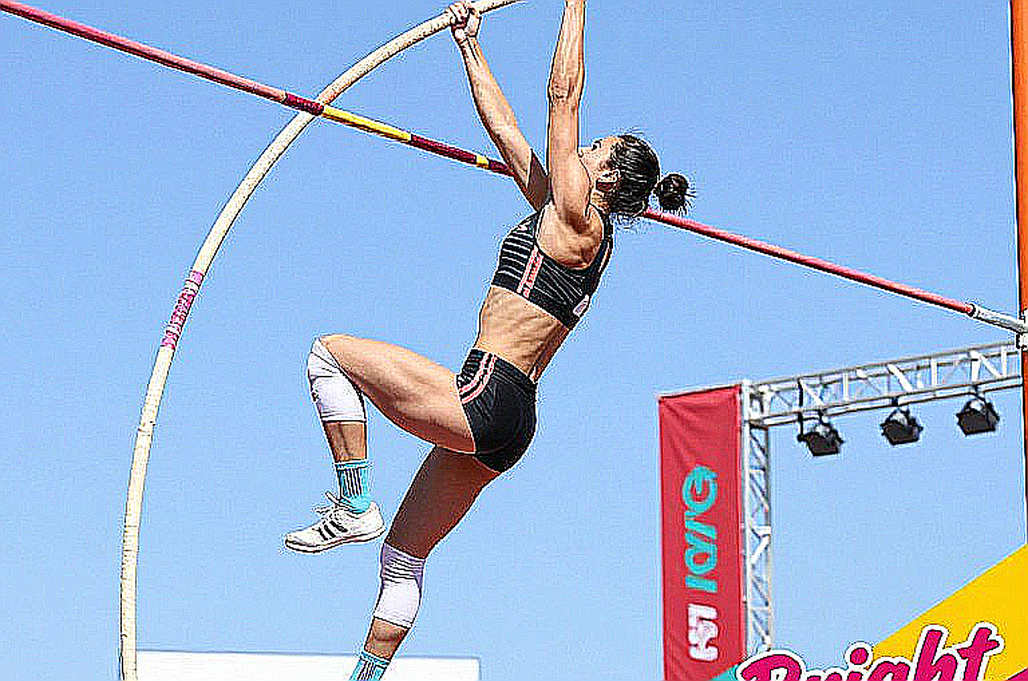
Backyard ultra is a community-grown format, outside the World Athletics system. The only rule: a 4.16-mile loop every hour, on the hour, until one person remains. The official result is therefore a single finisher — the last one standing — while the 'podium' of the final three is a community convention, not a recognised category. This year's race gathered 141 runners, per the organisers roughly 30 women and 111 men — a 21 versus 79 percent split. The race is open-gender, with no women's category, which is precisely why an all-female podium becomes news: the three most durable of 141 runners all came from the group holding one fifth of the field. Matt Dillon, representing Hardwick Hall, linked the achievement to Bess of Hardwick, the Tudor-era powerbroker who once owned the estate — a conversation between two generations of women on the same ground.
Based on my experience tracking ultra events since my Runner's World years, the first fact on the table is the mandated pace: 6.706 km in 60 minutes equals roughly 8:57 per kilometre — an easy jog any recreational runner can hold. Raw muscular endurance is rarely the limiter. The limits lie elsewhere: pacing discipline across loops, sleep-deprivation tolerance once the race passes 24 hours, and crew quality — feeding, shoe changes, blister care between loops. In a format where top speed is almost meaningless, the undervalued capacities — consistency, durability, patience — become the deciding criteria. A result this tight required no fitness explosion; it required superior execution across dozens of hours, something a personal-best sheet cannot measure.
The field composition is the more telling datum: women were 21 percent of entrants yet took the entire podium. A result that skewed relative to representation suggests this format narrows the physiological gap between the sexes faster than speed distances, where explosive power decides rankings. Training-science literature has long noted superior fat oxidation and muscle-damage resilience in female athletes at extreme distances; backyard ultra takes that logic to its conclusion, where the variable is no longer speed but hours awake and number of stand-ups. Three unnamed women outlasted 138 others — overwhelmingly male — on the format's own terms.
One gap the notice does not hide: none of the three is named, no loop count, no distance, no time. The 'first in the UK' claim rests entirely on the organisers, while backyard ultra has no public national register to check against — each race keeps its own records. I do not doubt their honesty; I only note that a record without an independent register is verified by community trust, not institutions. Read closely, the text devoted to Bess of Hardwick and the estate's heritage outweighs the race result — a sign the story was written from the heritage-tourism angle of this National Trust land at least as much as from the running angle.
Here I remember myself in 2026, when a former Kenya women's captain refused to be interviewed by me. Thirty-eight dust-covered diary pages, and one refused interview became a door — through it I found the girls who sold fruit to pay training fees, never named in print. The anonymity of the three women in Derbyshire repeats that exact pattern: institutions celebrate women's milestones before naming the women. A runner's value does not lie in a transfer figure or media volume, but in what fate the number changes — and a nameless podium changes few fates.

The trail inside the estate has no grandstand, yet their echo carries — a loop needs no stands to know where it belongs. The signals to watch are specific: whether the results page publishes the three names and loop counts; whether women's share of UK ultras holds above 21 percent in coming seasons; whether the National Trust heritage-plus-community-race model spreads. When those names appear in print, I will write about them — for I write biography to lift the invisible veil that men's sport drapes over women's sport, and the veil is still there, waiting for a pen as patient as those three women were with every loop.